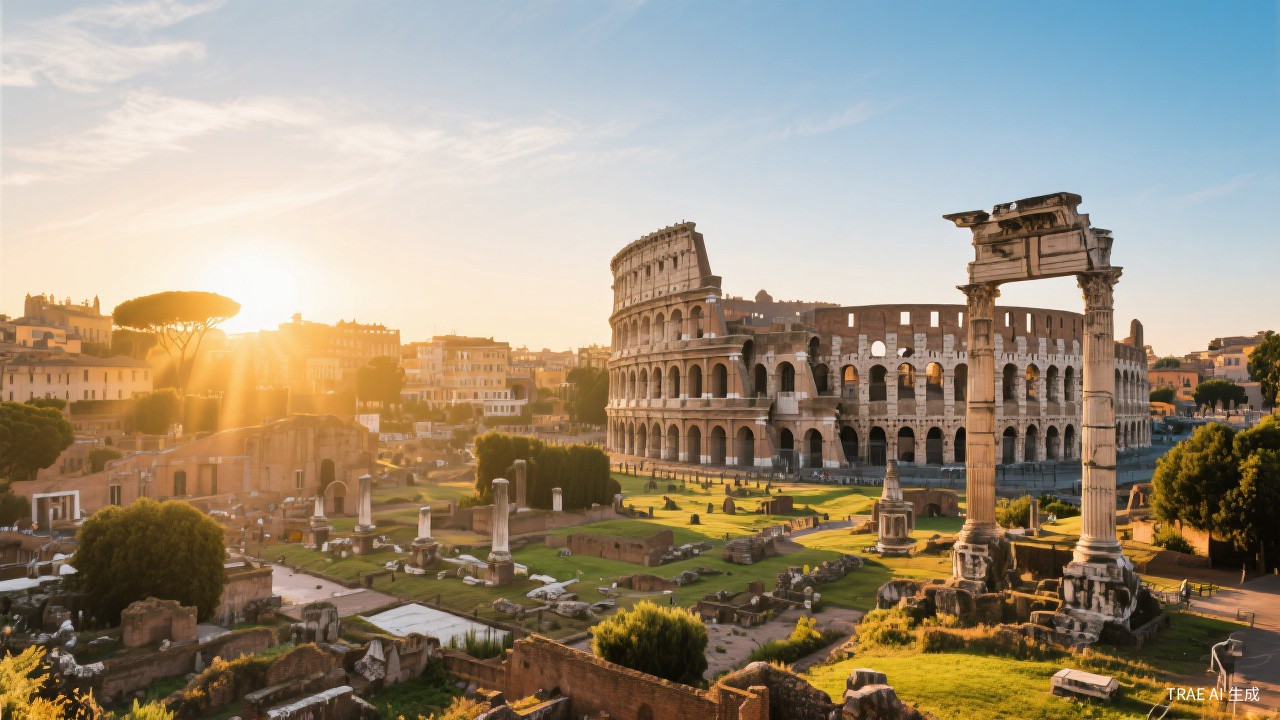
Eternal City
Rome, the capital of Italy, is one of the oldest and most historically significant cities in the world, with a continuous history spanning over 2,800 years. Founded, according to legend, by Romulus in 753 BC, the city grew from a small settlement on the banks of the Tiber River into the capital of one of the greatest empires the world has ever known. Today, Rome is a vibrant modern city of roughly 3 million people that wears its history on its sleeve, with ancient ruins, medieval churches, Renaissance palaces, and Baroque fountains forming an extraordinary urban tapestry.
The city's historical center is a UNESCO World Heritage Site, containing an unparalleled concentration of cultural treasures within a relatively compact area. Walking through Rome is like wandering through an open-air museum, where every piazza, church, and street corner reveals layers of history from different eras. A single block might contain an ancient Roman temple, a medieval bell tower, a Renaissance facade, and a Baroque fountain, all coexisting in a harmonious jumble that is uniquely Roman.
Rome's climate is Mediterranean, with hot, dry summers and mild, wet winters. The best times to visit are spring, from April to June, and autumn, from September to October, when temperatures are pleasant and the crowds are more manageable. Summer, particularly July and August, can be very hot and crowded, with temperatures regularly exceeding 35 degrees Celsius and long lines at major attractions. Many locals leave the city for their own holidays in August, which can affect the availability of some services.
The city is well-connected by an extensive public transportation network that includes two metro lines, buses, and trams. However, the metro system is limited compared to other European capitals, largely because archaeological discoveries frequently halt construction of new lines. Walking is often the best way to explore the historic center, where many of the most important sights are within easy walking distance of each other. Comfortable shoes are essential, as Rome's cobblestone streets and ancient paving stones can be unforgiving.
Ancient Rome
The Colosseum is the most iconic symbol of ancient Rome and the largest amphitheater ever built, capable of seating between 50,000 and 80,000 spectators. Completed in 80 AD under the emperor Titus, the Colosseum hosted gladiatorial contests, public spectacles, dramas, and executions for over four centuries. Despite the damage caused by earthquakes and the stripping of its marble and stone for other building projects, the structure remains an awe-inspiring testament to Roman engineering and the power of the empire.
The Roman Forum, located adjacent to the Colosseum, was the political, religious, and commercial heart of ancient Rome for over a millennium. Walking among the ruins of temples, basilicas, and triumphal arches, you can almost imagine the bustling activity that once filled this space, with senators debating policy, merchants hawking their wares, and citizens gathering to hear public announcements. Key structures include the Temple of Saturn, the Arch of Septimius Severus, and the Curia Julia, where the Roman Senate once met.
The Palatine Hill, one of the seven hills of Rome, offers both spectacular views and fascinating archaeological remains. According to legend, this is where Romulus founded the city, and it later became the most desirable residential area in Rome, where emperors built their palaces overlooking the Forum. The ruins of the Palace of Domitian, the House of Augustus, and the Flavian Palace provide a glimpse into the lavish lifestyles of Rome's ruling elite, with surviving frescoes and mosaics hinting at the opulence that once filled these halls.
The Pantheon, located in the heart of the historic center, is one of the best-preserved ancient Roman buildings in the world and an architectural marvel that continues to inspire awe nearly 2,000 years after its construction. Originally built as a temple to all the gods, the Pantheon's most remarkable feature is its massive unreinforced concrete dome, which remained the largest in the world until the 20th century. The oculus, a circular opening at the top of the dome, allows natural light to flood the interior, creating a dramatic effect that changes throughout the day.
Vatican City
Vatican City is the smallest independent state in the world, covering just 44 hectares within the city of Rome, but it contains an extraordinary concentration of artistic and spiritual treasures. As the spiritual center of the Catholic Church and the residence of the Pope, the Vatican draws millions of pilgrims and art lovers each year. The complex includes Saint Peter's Basilica, the Vatican Museums, the Sistine Chapel, and the Vatican Gardens, each one a masterpiece in its own right.
Saint Peter's Basilica is the largest church in the world and one of the most important sites in Christendom, built over the traditional burial site of Saint Peter, the first pope. The basilica's interior is overwhelming in its scale and beauty, with Michelangelo's Pieta, Bernini's baldacchino, and the bronze statue of Saint Peter drawing visitors into a space of profound spiritual and artistic power. Climbing to the top of the dome, designed by Michelangelo, provides a breathtaking view of Saint Peter's Square and the city of Rome spread out below.
The Vatican Museums house one of the most extensive and valuable art collections in the world, accumulated by popes over the past five centuries. The museums contain roughly 70,000 works, of which about 20,000 are on display, spanning from ancient Egyptian artifacts to contemporary religious art. The Raphael Rooms, decorated by Raphael and his workshop between 1508 and 1524, feature some of the finest frescoes of the Renaissance, with The School of Athens being one of the most celebrated paintings in Western art.
The Sistine Chapel, located at the end of the Vatican Museums tour, is the crown jewel of the collection and one of the most famous artistic achievements in human history. Michelangelo spent four years painting the ceiling between 1508 and 1512, covering over 500 square meters with scenes from the Book of Genesis, including the iconic image of God giving life to Adam with the touch of a finger. Twenty-five years later, Michelangelo returned to paint The Last Judgment on the altar wall, a powerful and controversial work that continues to provoke debate and admiration.
Roman Neighborhoods
Trastevere is the most charming neighborhood in Rome, a maze of narrow, winding streets on the west bank of the Tiber River that retains a distinctly bohemian and authentic atmosphere. The name means "beyond the Tiber," and the neighborhood has long been a working-class district that has managed to preserve its character despite increasing popularity with tourists. The Piazza di Santa Maria in Trastevere, with its beautiful church and lively cafes, is the heart of the neighborhood and a perfect spot for people-watching over an aperitivo.
Monti, located between the Colosseum and the main railway station, is Rome's trendiest neighborhood, a former working-class area that has been revitalized by a wave of creative businesses and young professionals. The neighborhood's narrow streets are lined with independent boutiques, vintage shops, artisan workshops, and some of the city's most innovative restaurants and bars. The vibe is young and artistic, with street art, galleries, and a vibrant nightlife scene that draws locals and visitors alike.
The Jewish Ghetto, one of the oldest Jewish neighborhoods in the world, is a compact area near the Tiber Island that offers a unique blend of history, culture, and cuisine. The neighborhood was established in 1555 as a walled enclosure where Rome's Jewish population was forced to live, and the Great Synagogue, built in 1904, is a striking landmark with its distinctive aluminum dome. The area is also famous for its food, particularly carciofi alla giudia, deep-fried artichokes that are crispy on the outside and tender within.
The historic center, encompassing areas like the Spanish Steps, Trevi Fountain, and Piazza Navona, is where most first-time visitors spend the majority of their time. Each of these landmarks is spectacular in its own right, but the real joy of the historic center lies in the quieter streets and piazzas that connect them. The Piazza del Popolo, with its Egyptian obelisk and twin churches, provides a grand entrance to the city from the north, while the Campo de' Fiori market offers a lively morning scene of fresh produce, flowers, and street vendors.
Italian Food
Roman cuisine is one of the great culinary traditions of Italy, built on a foundation of simplicity, quality ingredients, and techniques that have been refined over centuries. Unlike the richer, cream-based cuisines of northern Italy, Roman food is characterized by its use of olive oil, fresh herbs, simple sauces, and high-quality meats and cheeses. The city's signature dishes are unpretentious but deeply satisfying, proving that great food does not need to be complicated.
The four classic Roman pasta dishes are cacio e pepe, carbonara, amatriciana, and gricia, each one a masterpiece of simplicity and balance. Cacio e pepe consists of just pasta, Pecorino Romano cheese, and black pepper, yet in the hands of a skilled cook, it becomes a creamy, peppery dish that is greater than the sum of its parts. Carbonara combines eggs, Pecorino, guanciale, and black pepper into a rich, silky sauce that clings to every strand of spaghetti, while amatriciana adds tomatoes to the guanciale and Pecorino base for a slightly sweeter, more complex flavor.
Pizza in Rome is distinctly different from the Neapolitan variety, characterized by a thin, crisp crust that is often rectangular and sold by weight from bakeries and pizzerias. The best pizza al taglio, or pizza by the slice, can be found at neighborhood bakeries where the selection changes throughout the day. Suppli, deep-fried rice balls filled with mozzarella and tomato sauce, are the perfect accompaniment to a slice of pizza and a staple of Roman street food culture.
No visit to Rome is complete without experiencing the city's gelato culture, which elevates ice cream to an art form. The best gelaterias in Rome make their product fresh daily using natural ingredients, and the difference in quality compared to mass-produced ice cream is immediately apparent. Look for shops that store their gelato in metal tubs covered with lids rather than the elaborate mounds found in tourist-oriented shops, as this indicates a focus on quality rather than presentation. Classic flavors like pistachio, stracciatella, and hazelnut are reliable indicators of a gelateria's commitment to excellence.
Traveler's Tip
Always check the latest travel advisories and entry requirements before planning your trip. Requirements can change, so verify visa policies, health recommendations, and safety guidelines with official government sources before you go.
Related Articles
 Asia
AsiaThe Ultimate Tokyo Travel Guide: From First-Timer to Expert
Tokyo is a dazzling metropolis where centuries-old traditions coexist with cutting-edge technology. This comprehensive guide covers everything you need to plan an unforgettable trip to Japan's dynamic capital.
 Asia
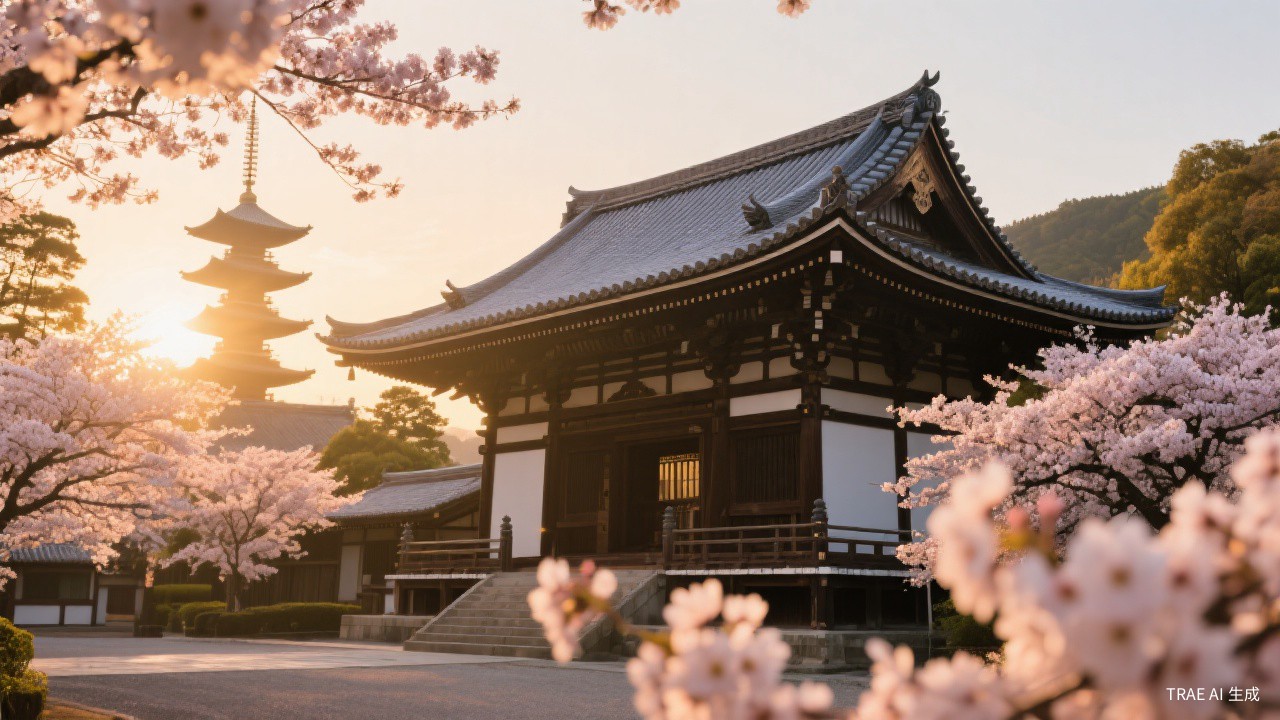
AsiaKyoto Travel Guide: Exploring Japan's Ancient Capital
Kyoto is the cultural heart of Japan, home to over 2,000 temples and shrines, exquisite gardens, and living traditions that have been preserved for over a millennium. This guide reveals the best ways to experience this extraordinary city.
 Asia
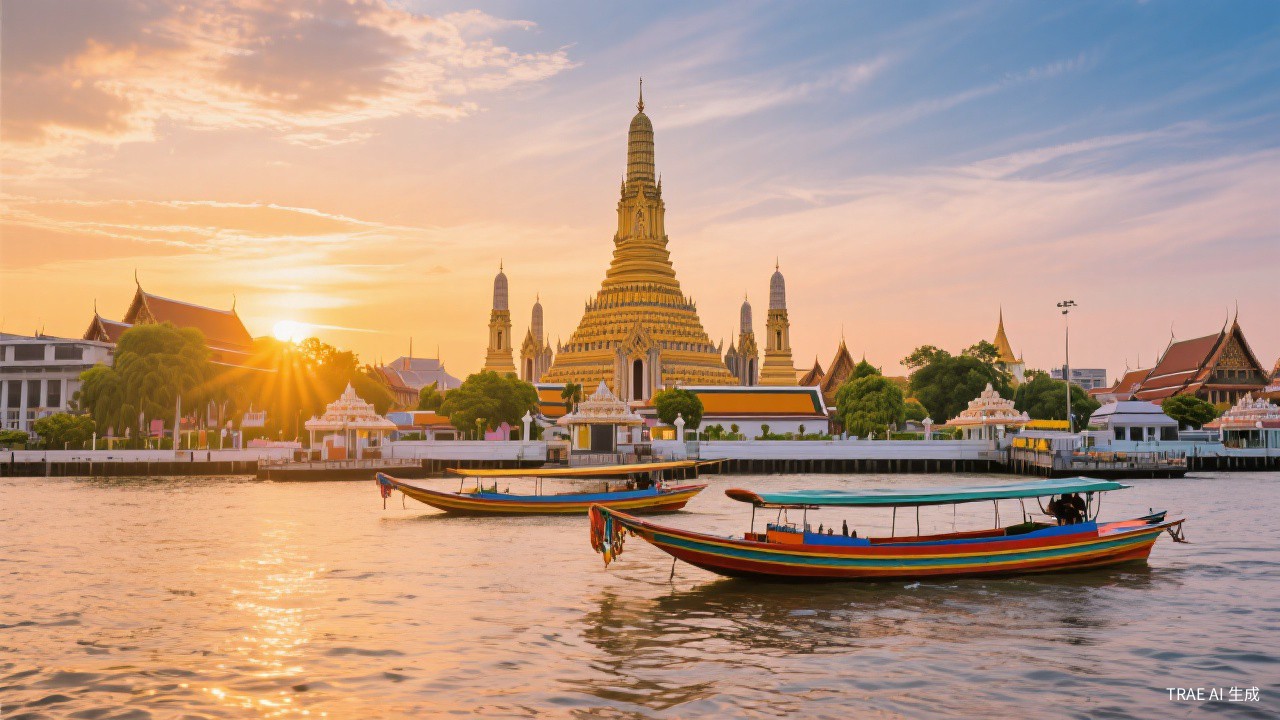
AsiaBangkok In-Depth: Temples, Street Food, and Night Market Culture
Bangkok is a city of contrasts where ornate temples stand beside gleaming skyscrapers and ancient traditions thrive alongside modern urban life. This guide explores the best of Thailand's vibrant capital.