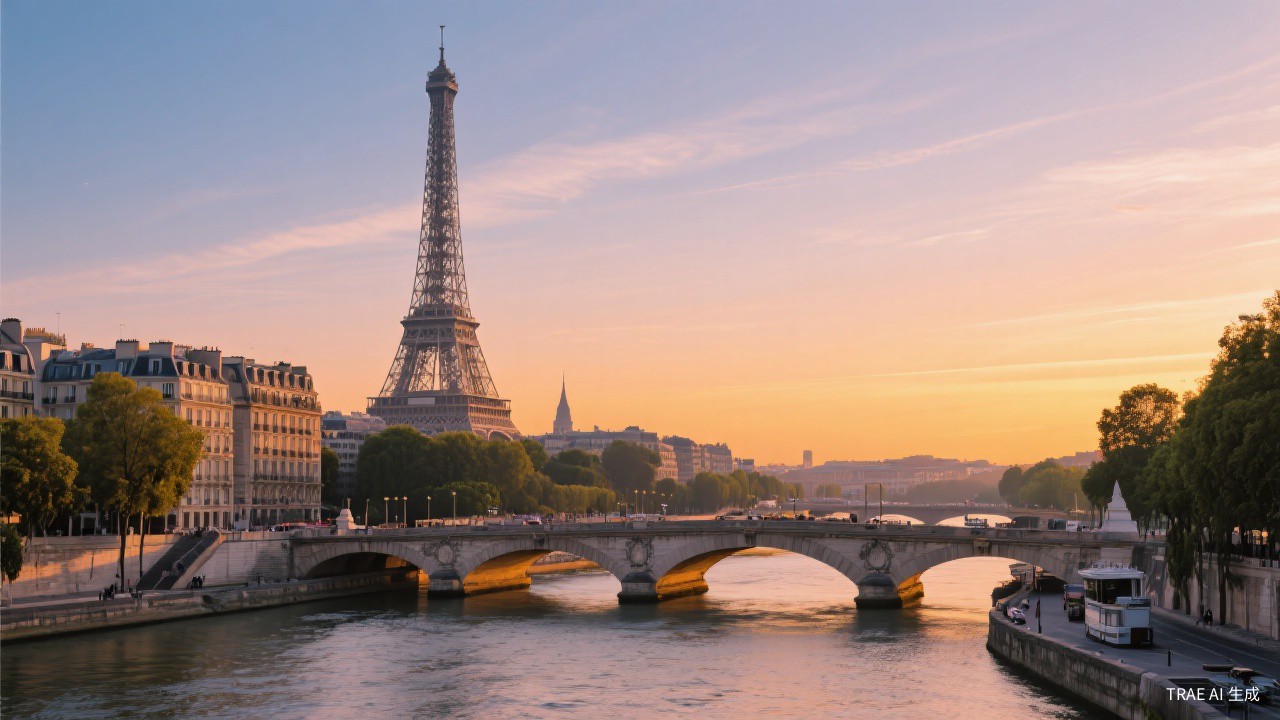
Magic of Paris
Paris, the capital of France, is the most visited city in the world, attracting over 30 million international visitors each year who come to experience its unique blend of history, art, culture, and romance. The city's reputation as the City of Light is well-earned, with its beautifully illuminated monuments, tree-lined boulevards, and the warm glow of cafe terraces that spill onto the sidewalks every evening. There is a quality of light in Paris, particularly in the golden hours of early morning and late afternoon, that has inspired artists and writers for centuries.
The city is divided into 20 arrondissements, or administrative districts, each with its own distinct character and attractions. The arrondissements spiral outward from the center in a clockwise direction, with the 1st containing the Louvre and the 20th reaching into the diverse and vibrant neighborhoods of Belleville and Menilmontant. Understanding this system is key to navigating the city, as Parisians identify strongly with their arrondissement and its particular personality.
Paris has been at the center of European civilization for over two millennia, serving as the capital of the Frankish kingdom, the seat of the Capetian dynasty, and the epicenter of the Enlightenment and the French Revolution. This rich history is visible everywhere you look, from the Roman-era arenas of the 5th arrondissement to the grand boulevards created by Baron Haussmann in the 19th century. Every neighborhood has its own historical narrative, and part of the joy of visiting Paris is uncovering these stories as you explore.
The city's cultural life is unrivaled, with over 130 museums, countless galleries, and a theater and music scene that ranges from grand opera houses to intimate jazz clubs. The performing arts calendar is packed year-round, with festivals, premieres, and exhibitions that draw audiences from around the world. Whether your passion is Impressionist painting, contemporary dance, classical music, or underground fashion, Paris offers a depth and quality of cultural experiences that few other cities can match.
Iconic Landmarks
The Eiffel Tower is the most recognizable landmark in Paris and arguably the most famous structure in the world, standing 330 meters tall on the Champ de Mars beside the Seine River. Built by Gustave Eiffel for the 1889 World's Fair, the tower was initially criticized by many of Paris's leading artists and intellectuals but has since become the beloved symbol of the city. The three levels accessible to visitors offer progressively more spectacular views, with the summit providing a 360-degree panorama that extends for over 80 kilometers on a clear day.
The Louvre is the largest and most visited art museum in the world, housing a collection of over 380,000 objects spanning 9,000 years of human history. The museum's most famous resident is the Mona Lisa, but the Louvre contains countless other masterpieces including the Venus de Milo, the Winged Victory of Samothrace, and Liberty Leading the People by Delacroix. The building itself is a work of art, blending the Renaissance palace of the French kings with I.M. Pei's controversial but now celebrated glass pyramid entrance.
Notre-Dame Cathedral, located on the Ile de la Cite in the heart of Paris, is one of the finest examples of French Gothic architecture and has been a symbol of the city for over 850 years. While the devastating fire of April 2019 caused significant damage, the cathedral is undergoing meticulous restoration and is expected to reopen to visitors. The surrounding neighborhood, with its flower market, bookstalls along the Seine, and the Sainte-Chapelle with its breathtaking stained glass windows, remains one of the most atmospheric areas of Paris.
The Arc de Triomphe, commissioned by Napoleon in 1806 to celebrate his military victories, stands at the western end of the Champs-Elysees and offers one of the best vantage points in Paris. The arch is adorned with intricate reliefs depicting key battles and the names of French generals and victories, while the Tomb of the Unknown Soldier beneath the arch has been a place of remembrance since 1921. Climbing the 284 steps to the observation platform rewards visitors with a magnificent view of the twelve avenues that radiate outward from the Place de l'Etoile like the spokes of a wheel.
Neighborhoods
Montmartre is the most picturesque neighborhood in Paris, a hilltop district of cobblestone streets, ivy-covered walls, and stunning views that has captivated artists since the 19th century. The Sacre-Coeur Basilica, with its white domes crowning the highest point in the city, is the neighborhood's most famous landmark, but the real magic of Montmartre lies in its quieter corners. Place du Tertre, where artists set up their easels to paint and sell their work, retains the bohemian atmosphere that once attracted Picasso, Modigliani, and Toulouse-Lautrec.
The Marais, located in the 3rd and 4th arrondissements, is one of the trendiest and most historically rich neighborhoods in Paris. Once a swampy area that was drained in the 12th century, the Marais became the favored district of the French aristocracy, who built magnificent hôtels particuliers, or private mansions, many of which survive today as museums and cultural institutions. The neighborhood is also the historic center of Paris's Jewish community and its LGBTQ scene, creating a wonderfully diverse and tolerant atmosphere.
Saint-Germain-des-Pres, in the 6th arrondissement, was the intellectual heart of Paris during the postwar period, when philosophers like Jean-Paul Sartre and Simone de Beauvoir held court at the Cafe de Flore and Les Deux Magots. Today, the neighborhood retains its literary and intellectual character, with numerous bookshops, art galleries, and cafes where you can still sit for hours with an espresso and a good book. The nearby Luxembourg Gardens provide a serene green oasis in the heart of the Left Bank, perfect for a leisurely afternoon stroll.
Le Canal Saint-Martin, a tree-lined waterway that runs through the 10th and 11th arrondissements, has become one of the most fashionable areas of Paris in recent years. The canal's iron footbridges, trendy cafes, and vintage shops attract a young and creative crowd, while the Sunday atmosphere when the canal banks fill with locals picnicking and socializing is wonderfully convivial. The area is also home to some of the city's best natural wine bars and innovative restaurants, making it a food lover's paradise.
French Cuisine
French cuisine is one of the great culinary traditions of the world, and Paris is its undisputed capital, with a dining scene that ranges from humble neighborhood bistros to Michelin-starred temples of gastronomy. The city's food culture is built on a foundation of fresh, seasonal ingredients, meticulous technique, and a deep respect for tradition that coexists with constant innovation. Whether you are enjoying a simple croissant at a corner bakery or a multi-course tasting menu at a celebrated restaurant, the quality and care that goes into French food is immediately apparent.
The boulangerie, or bakery, is the cornerstone of daily life in Paris, and no day begins properly without a visit to pick up a fresh baguette. The best baguettes have a crisp, crackling crust and a light, airy interior with a subtle tang from the natural fermentation. The annual Grand Prix de la Baguette competition awards the title of best baguette in Paris, and the winning baker supplies the Elysee Palace for the following year. Pastries are equally important, with croissants, pain au chocolat, eclairs, and tarte tatin being just a few of the classics that every visitor should try.
Parisian cafe culture is an institution that has changed little since the 19th century, with sidewalk terraces providing a front-row seat to the theater of urban life. The classic cafe experience involves ordering an espresso or a glass of wine and sitting for as long as you like, watching the world go by. The prices are higher than takeaway, but the experience of lingering at a Parisian cafe, with its rattan chairs, marble tables, and zinc counter, is worth every centime.
The city's markets are essential destinations for food lovers, offering the chance to sample and purchase an incredible variety of French products. The Marche d'Aligre in the 12th arrondissement is one of the most vibrant and affordable, with stalls selling fresh produce, cheese, charcuterie, and prepared foods from across France and beyond. The Marche Bastille, held on Sunday mornings along the Boulevard Richard Lenoir, is one of the largest open-air markets in Paris and a feast for all the senses.
Day Trips
The Palace of Versailles, located roughly 20 kilometers southwest of Paris, is the most popular day trip from the city and one of the most spectacular royal residences in Europe. Built by Louis XIV in the 17th century, the palace is a monument to the absolute power and refined taste of the French monarchy, with the Hall of Mirrors, the Royal Chapel, and the opulent State Apartments representing the pinnacle of French Baroque architecture. The vast gardens, designed by Andre Le Notre, stretch for over 800 hectares and include fountains, groves, and the Grand Canal.
Giverny, located roughly 75 kilometers northwest of Paris, is where the Impressionist painter Claude Monet lived and worked from 1883 until his death in 1926. Monet's house and gardens have been meticulously restored and are open to the public, allowing visitors to walk across the iconic Japanese bridge and see the water lily pond that inspired some of the most famous paintings in art history. The nearby Musee des Impressionnismes Giverny provides additional context for the Impressionist movement and hosts rotating exhibitions of related art.
Chateau de Chantilly, situated about 50 kilometers north of Paris, is one of the finest chateaux in France and houses one of the most important collections of historical paintings outside the Louvre. The chateau's library contains rare manuscripts including the original manuscript of the Très Riches Heures du Duc de Berry, one of the most lavishly illuminated manuscripts of the medieval period. The surrounding park, designed by Le Notre, features a Grand Canal, cascading fountains, and beautifully maintained formal gardens.
Fontainebleau, roughly 55 kilometers southeast of Paris, is another royal palace that rivals Versailles in historical importance and artistic richness. The chateau was a favorite residence of French kings for over seven centuries, from Louis VII to Napoleon III, and each era left its architectural mark on the sprawling complex. The surrounding Fontainebleau Forest is one of the most beautiful natural areas near Paris, offering excellent hiking, rock climbing, and horseback riding opportunities amid ancient oak and beech trees.
Traveler's Tip
Always check the latest travel advisories and entry requirements before planning your trip. Requirements can change, so verify visa policies, health recommendations, and safety guidelines with official government sources before you go.
Related Articles
 Asia
AsiaThe Ultimate Tokyo Travel Guide: From First-Timer to Expert
Tokyo is a dazzling metropolis where centuries-old traditions coexist with cutting-edge technology. This comprehensive guide covers everything you need to plan an unforgettable trip to Japan's dynamic capital.
 Asia
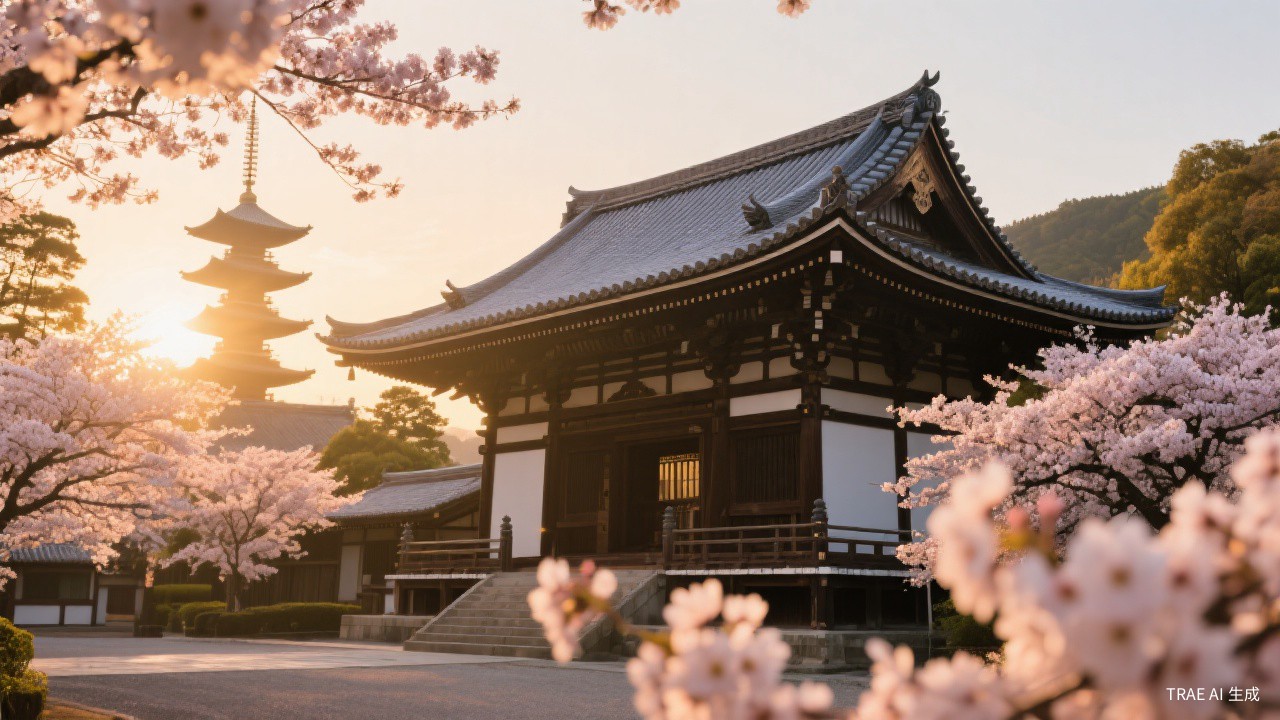
AsiaKyoto Travel Guide: Exploring Japan's Ancient Capital
Kyoto is the cultural heart of Japan, home to over 2,000 temples and shrines, exquisite gardens, and living traditions that have been preserved for over a millennium. This guide reveals the best ways to experience this extraordinary city.
 Asia
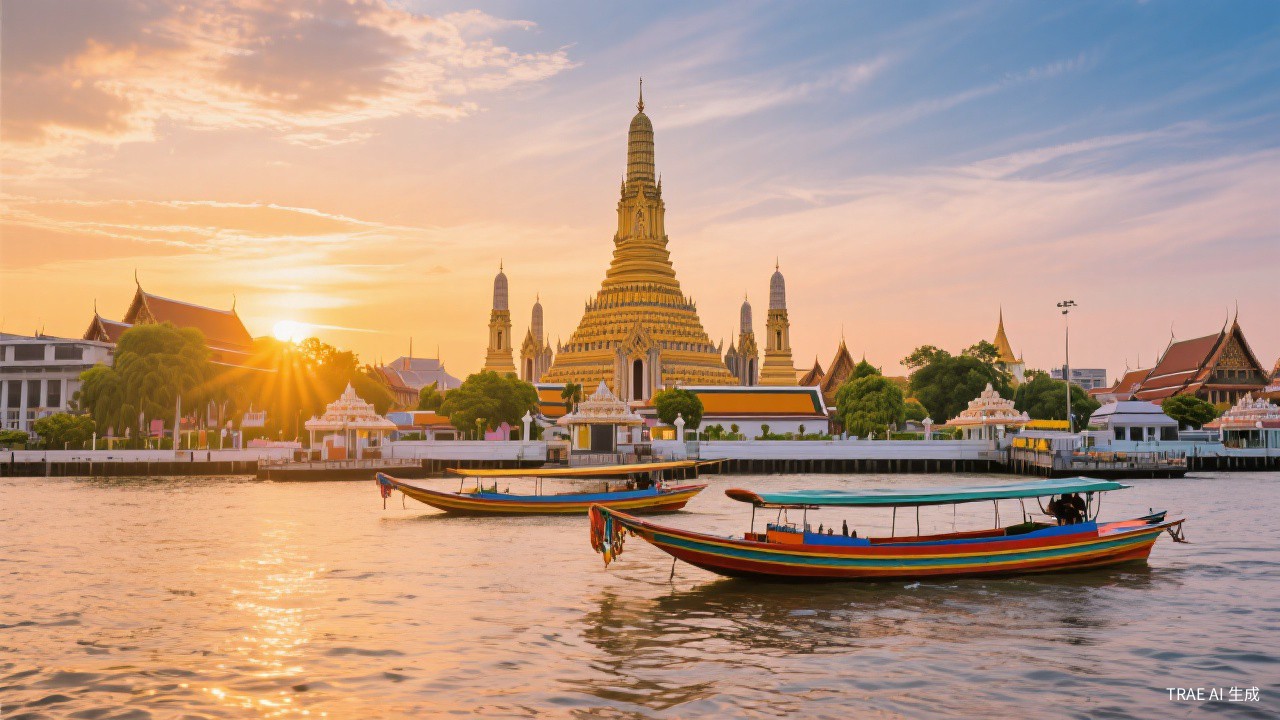
AsiaBangkok In-Depth: Temples, Street Food, and Night Market Culture
Bangkok is a city of contrasts where ornate temples stand beside gleaming skyscrapers and ancient traditions thrive alongside modern urban life. This guide explores the best of Thailand's vibrant capital.