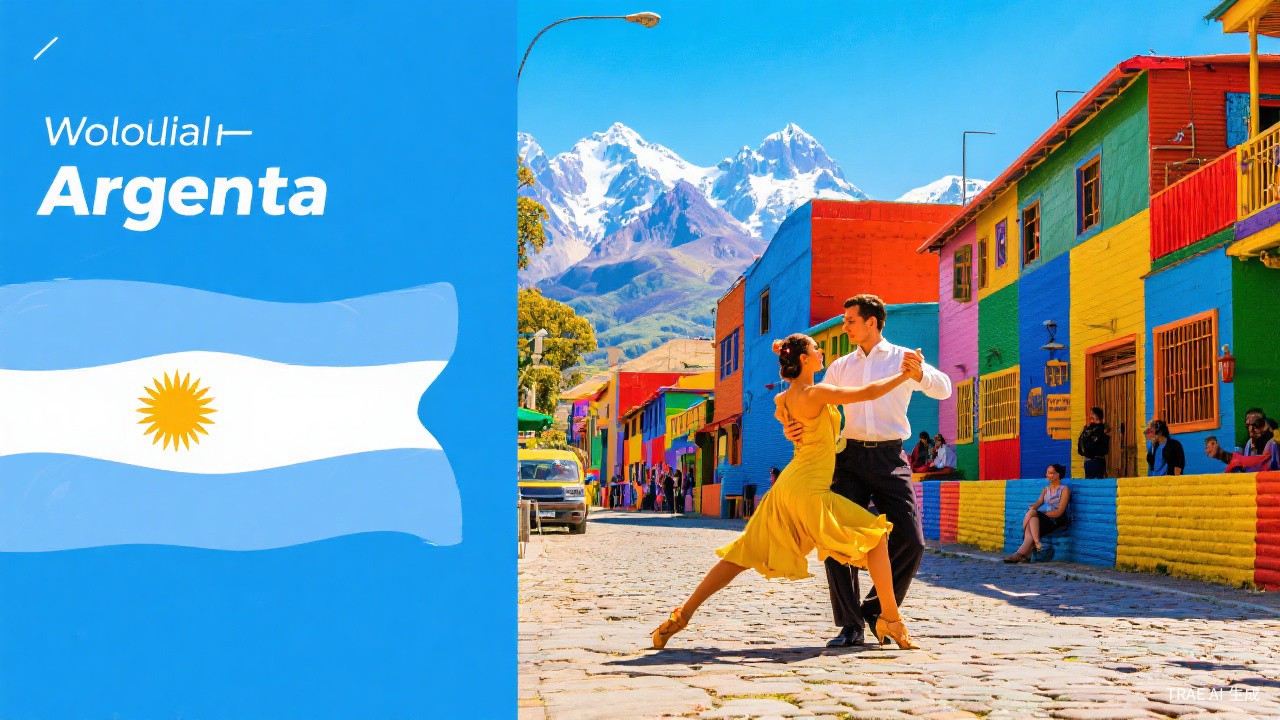
Land of Contrast
Argentina is the second-largest country in South America and the eighth-largest in the world, a vast nation that stretches from the subtropical north to the sub-Antarctic south. This enormous geographic expanse encompasses an astonishing diversity of landscapes, including the towering Andes mountains, the arid steppes of Patagonia, the fertile Pampas grasslands, and the spectacular glaciers of southern Patagonia. The country's dramatic geography has shaped a national identity that is as varied and passionate as its terrain.
The population of Argentina is concentrated primarily in the central and eastern regions, with over one-third of the country's 46 million inhabitants living in the greater Buenos Aires metropolitan area. Argentine culture is deeply influenced by its European heritage, with significant Italian, Spanish, German, and Eastern European immigrant communities that have shaped the country's language, cuisine, and customs. This European influence, combined with indigenous and gaucho traditions, creates a cultural identity that feels both familiar and distinctly South American.
Argentina's seasons are reversed from those in the Northern Hemisphere, with summer running from December through February and winter from June through August. This makes Argentina an appealing destination for travelers from North America and Europe seeking to escape their winter months. The best time to visit depends on your destination within the country, with Patagonia being most accessible during the southern summer, while Buenos Aires and the wine regions are pleasant year-round.
The Argentine peso has experienced significant fluctuations in recent years, creating a complex economic environment for travelers. Visitors should be aware that exchange rates can vary dramatically between official channels and informal markets, and many businesses in tourist areas accept US dollars. Using a credit card with no foreign transaction fees is generally the most straightforward approach, though carrying some cash in both pesos and dollars is advisable for smaller establishments and markets.
Buenos Aires
Buenos Aires is often called the Paris of South America, a nickname that reflects its grand European-style architecture, wide boulevards, and sophisticated cultural scene. The city is actually a collection of distinct neighborhoods, or barrios, each with its own personality, history, and atmosphere. San Telmo, the oldest neighborhood, is famous for its colonial architecture, antique shops, and the Sunday flea market that transforms the main plaza into a bustling marketplace.
La Boca, the colorful neighborhood where the city's port was originally established, is one of Buenos Aires' most photographed districts, with its brightly painted buildings along the Caminito street museum. The neighborhood is also home to La Bombonera, the legendary stadium of the Boca Juniors football club, where passionate fans create an atmosphere that is among the most intense in world football. While La Boca is undeniably touristy, its vibrant colors and street performers make it a worthwhile stop on any Buenos Aires itinerary.
Recoleta is one of Buenos Aires' most elegant neighborhoods, known for its Parisian-style cafes, upscale boutiques, and the famous Recoleta Cemetery, where Eva Peron and many of Argentina's most prominent figures are buried. The cemetery is a city of the dead, with elaborate mausoleums and monuments arranged along narrow streets that feel like a miniature version of the city above. The surrounding neighborhood is filled with excellent restaurants, art galleries, and the beautiful Recoleta Cultural Center.
Palermo, the largest neighborhood in Buenos Aires, encompasses several distinct sub-areas including Palermo Soho, Palermo Hollywood, and Palermo Viejo, each offering its own blend of dining, shopping, and nightlife. Palermo Soho is the trendiest area, filled with designer boutiques, artisanal coffee shops, and some of the city's best restaurants. The neighborhood's tree-lined streets and colorful street art create a bohemian atmosphere that has attracted artists, designers, and food entrepreneurs from around the world.
Patagonia
Patagonia is one of the last great wildernesses on Earth, a vast region of southern Argentina and Chile characterized by dramatic mountains, massive glaciers, and endless steppes. The Argentine side of Patagonia stretches from the Andes to the Atlantic Ocean, encompassing some of the most spectacular and least-populated landscapes on the planet. The sheer scale of the region is difficult to comprehend, with distances between destinations often requiring full days of driving through landscapes that feel entirely untouched by human civilization.
Los Glaciares National Park, a UNESCO World Heritage Site in southern Patagonia, is home to the Perito Moreno Glacier, one of the most impressive natural wonders in South America. The glacier stretches for approximately 19 miles and rises nearly 200 feet above the surface of Lake Argentino, with a face that is over 3 miles wide. Visitors can view the glacier from a network of walkways and viewing platforms, or take boat tours that bring them within striking distance of the massive wall of ice.
El Chalten, a small mountain village within Los Glaciares National Park, has become the trekking capital of Argentina, attracting hikers from around the world who come to explore the stunning trails surrounding Mount Fitz Roy. The hike to the Fitz Roy viewpoint, a strenuous but well-marked trail, rewards trekkers with one of the most iconic mountain views in the world. The village itself has a charming, frontier-town atmosphere with a growing selection of restaurants, breweries, and outdoor gear shops.
The Valdes Peninsula, located on the Atlantic coast of northern Patagonia, is one of the premier wildlife viewing destinations in South America. The peninsula is a UNESCO World Heritage Site and serves as an important breeding ground for southern right whales, which can be observed from June through December. Visitors may also see elephant seals, sea lions, Magellanic penguins, and orcas, which occasionally beach themselves to hunt seals along the coast during certain times of year.
Tierra del Fuego, the southernmost region of Argentina, offers a wild and windswept landscape at the very end of the South American continent. Ushuaia, the world's southernmost city, serves as the gateway to Tierra del Fuego National Park and the departure point for Antarctic cruises. The End of the World Train, a historic narrow-gauge railway, takes visitors through the sub-Antarctic forest to the edge of Tierra del Fuego National Park, providing a unique and atmospheric way to experience this remote and beautiful region.
Wine Country
Mendoza, located at the eastern foothills of the Andes in western Argentina, is the heart of the country's wine industry and one of the premier wine destinations in the world. The region produces approximately 70 percent of Argentina's wine, with Malbec being the signature variety that has brought international acclaim to Argentine winemaking. The combination of high altitude, abundant sunshine, and cool mountain nights creates ideal growing conditions for producing complex and flavorful wines.
The Malbec grape, originally from France, has found its true expression in the soils and climate of Mendoza, producing wines that are rich, fruity, and approachable while maintaining excellent structure and complexity. Argentine Malbec ranges from affordable everyday bottles to premium single-vineyard expressions that command prices comparable to top Bordeaux wines. Many wineries in Mendoza offer tastings that allow visitors to compare Malbecs from different sub-regions and altitudes, providing a fascinating education in how terroir influences wine character.
Wine tourism in Mendoza is highly developed, with hundreds of wineries open to visitors for tours, tastings, and dining experiences. The Maipu and Lujan de Cuyo regions, located just south of the city of Mendoza, are the most accessible and offer excellent wineries ranging from historic family estates to sleek modern facilities. The Uco Valley, further south at higher altitudes, is home to some of Argentina's most prestigious wineries and produces some of the country's finest wines.
Beyond wine tasting, Mendoza offers a wealth of outdoor activities that take advantage of its stunning natural setting at the foot of the Andes. The Aconcagua Provincial Park protects the highest peak in the Americas, and while summiting requires serious mountaineering experience, the park offers excellent trekking and horseback riding opportunities at lower elevations. White-water rafting, zip-lining, and paragliding are also popular activities, and the region's natural hot springs provide a relaxing way to unwind after a day of adventure.
Argentine Cuisine
Argentine cuisine is a hearty and satisfying reflection of the country's agricultural abundance and its cultural heritage, with beef, wine, and bread forming the holy trinity of the Argentine diet. Argentina has one of the highest per-capita consumptions of beef in the world, and the quality of its grass-fed cattle is renowned throughout the culinary world. The asado, or traditional Argentine barbecue, is more than just a meal; it is a social ritual that brings together family and friends for hours of slow-cooked meats and lively conversation.
The asado typically begins with choripan, a grilled chorizo sausage served on crusty bread, followed by a progression of cuts including entraña, vacio, asado de tira, and the prized mollejas, or sweetbreads. The meat is cooked over a wood fire, often for several hours, and seasoned simply with salt to allow the natural flavors of the beef to shine. Chimichurri, a vibrant sauce made from parsley, garlic, oregano, olive oil, and vinegar, is the essential accompaniment that adds brightness and complexity to every bite.
Empanadas are another Argentine staple, found throughout the country in countless regional variations that reflect local ingredients and traditions. The dough is typically filled with beef, chicken, ham and cheese, or corn, though regional specialties include empanadas salteñas from the northwest with potatoes and hard-boiled eggs, and empanadas tucumanas that are deep-fried rather than baked. Every Argentine has strong opinions about which region produces the best empanadas, making it a delicious subject of debate.
Mate is the national drink of Argentina, an herbal infusion made from the leaves of the yerba mate plant that is consumed throughout the day by millions of Argentines. Drinking mate is a social ritual, traditionally shared from a single gourd passed among a circle of friends, each drinking through a metal straw called a bombilla. The slightly bitter, earthy flavor is an acquired taste for some, but the ritual of sharing mate is a powerful expression of Argentine hospitality and community.
Traveler's Tip
Always check the latest travel advisories and entry requirements before planning your trip. Requirements can change, so verify visa policies, health recommendations, and safety guidelines with official government sources before you go.
Related Articles
 Asia
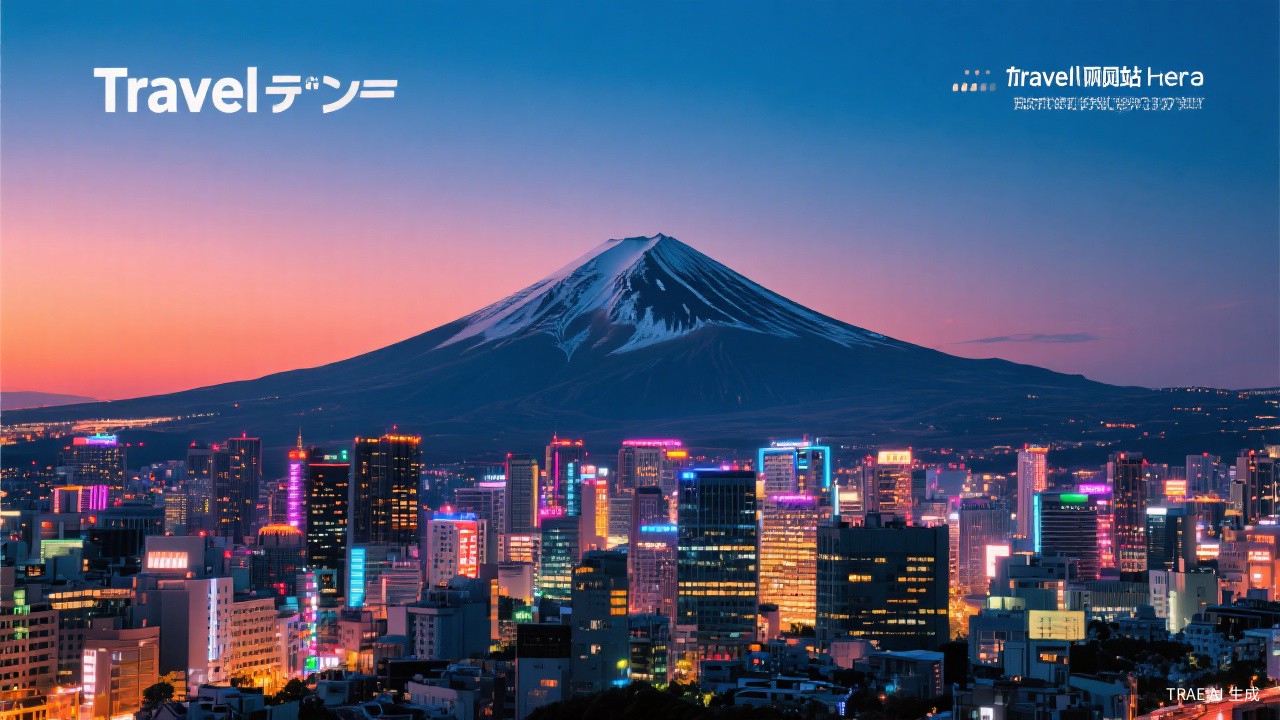
AsiaThe Ultimate Tokyo Travel Guide: From First-Timer to Expert
Tokyo is a dazzling metropolis where centuries-old traditions coexist with cutting-edge technology. This comprehensive guide covers everything you need to plan an unforgettable trip to Japan's dynamic capital.
 Asia
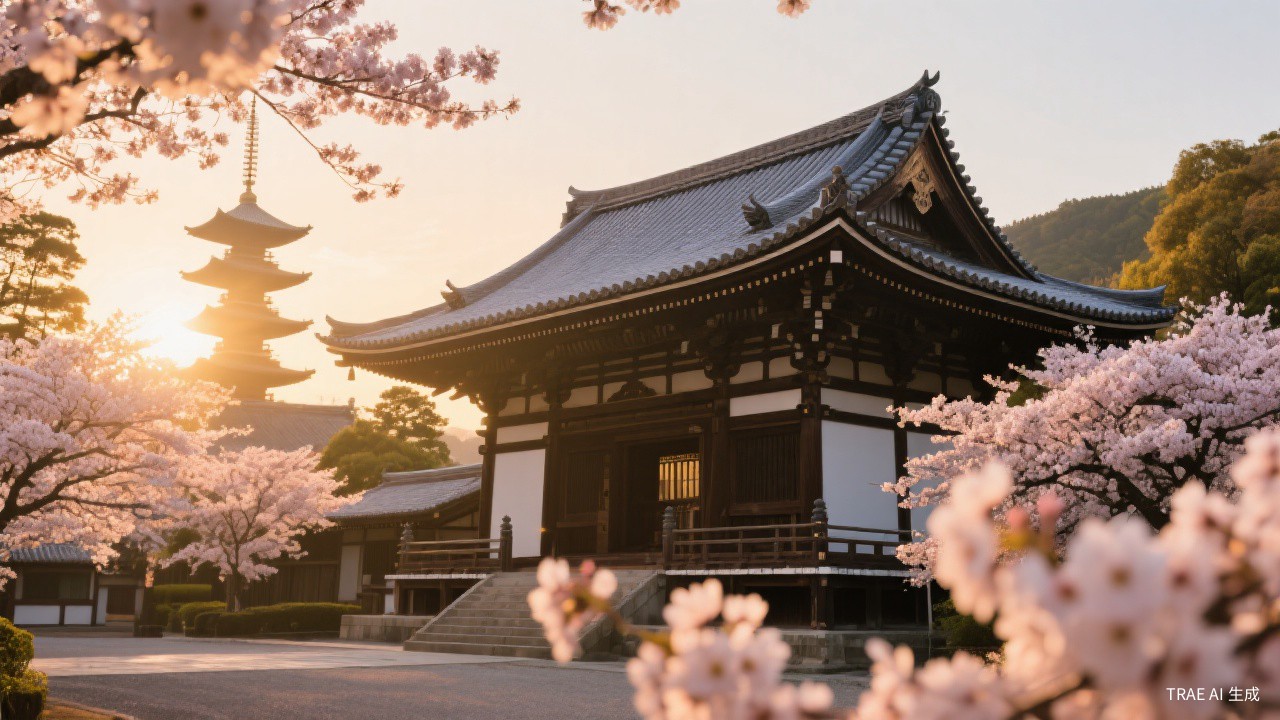
AsiaKyoto Travel Guide: Exploring Japan's Ancient Capital
Kyoto is the cultural heart of Japan, home to over 2,000 temples and shrines, exquisite gardens, and living traditions that have been preserved for over a millennium. This guide reveals the best ways to experience this extraordinary city.
 Asia
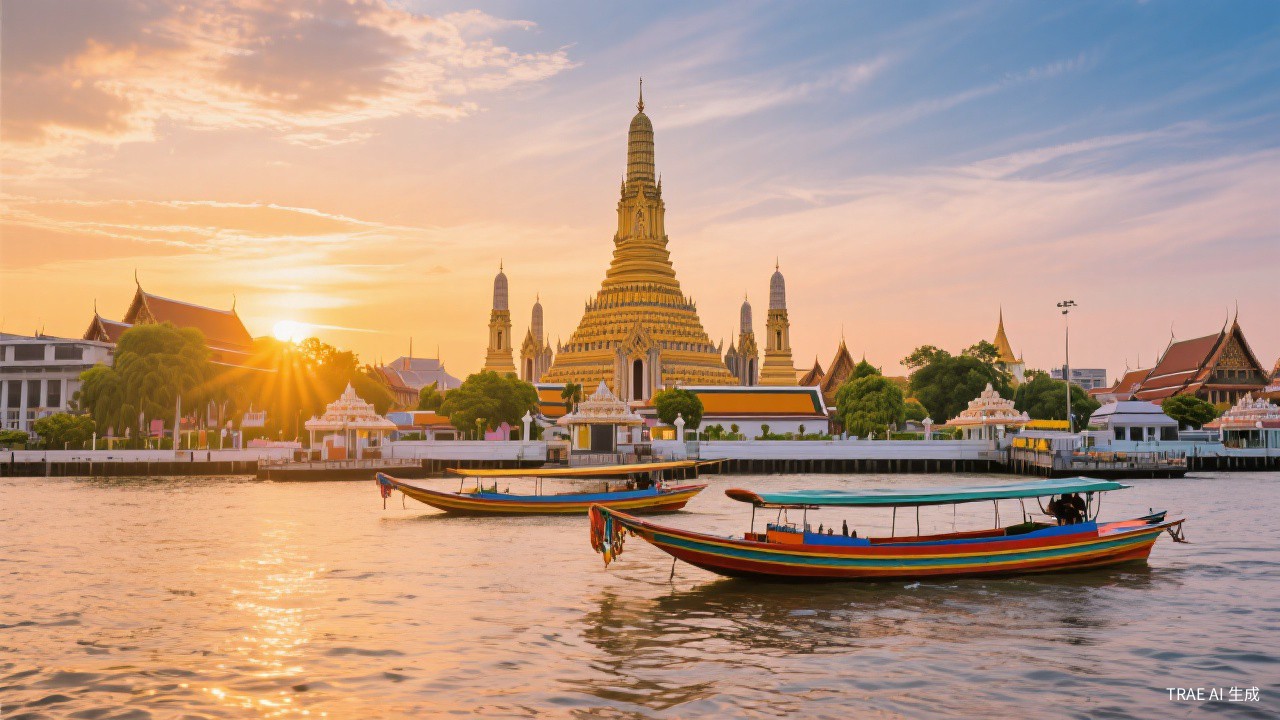
AsiaBangkok In-Depth: Temples, Street Food, and Night Market Culture
Bangkok is a city of contrasts where ornate temples stand beside gleaming skyscrapers and ancient traditions thrive alongside modern urban life. This guide explores the best of Thailand's vibrant capital.