Pura Vida
Costa Rica is a small Central American nation that packs an extraordinary amount of natural beauty and biodiversity into a territory roughly the size of West Virginia. Despite covering only 0.03 percent of the Earth's surface, Costa Rica contains nearly 6 percent of the world's biodiversity, including over 500,000 species of plants and animals. This remarkable concentration of life, combined with a long tradition of environmental stewardship, has made Costa Rica one of the premier ecotourism destinations on the planet.
The phrase Pura Vida, which translates literally to pure life, is far more than a simple greeting in Costa Rica; it is a philosophy that permeates every aspect of the national identity. Costa Ricans use the expression to say hello, goodbye, thank you, and to express a general sense of contentment and appreciation for life. Visitors quickly discover that this laid-back, optimistic attitude is genuinely reflected in the warmth and hospitality of the local people, known as Ticos.
Costa Rica has distinguished itself as a global leader in environmental conservation, becoming one of the first countries in the world to reverse deforestation and generate over 98 percent of its electricity from renewable sources. More than 25 percent of the national territory is protected within national parks, wildlife refuges, and biological reserves. This commitment to sustainability has earned Costa Rica a reputation as a model for how developing nations can balance economic growth with environmental preservation.
The country's geography is remarkably diverse for its size, with both Pacific and Caribbean coastlines, volcanic mountain ranges, cloud forests, tropical dry forests, and lowland rainforests. This diversity of habitats supports an astonishing variety of ecosystems and microclimates, meaning that visitors can experience dramatically different landscapes and weather conditions within a single day of travel. The Central Valley, home to the capital city of San Jose, sits at an elevation of approximately 3,800 feet, providing a mild and comfortable climate year-round.
National Parks
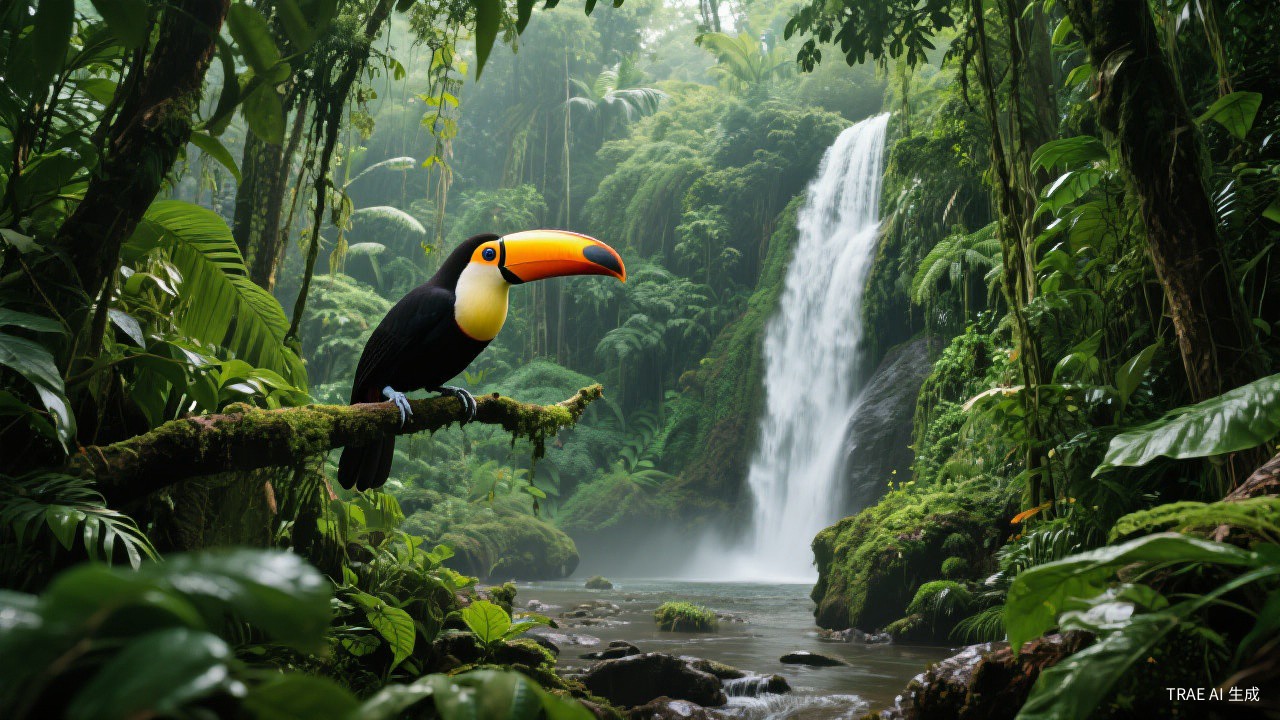
Costa Rica's national park system is the cornerstone of its ecotourism industry, protecting some of the most biologically significant areas on Earth while providing visitors with unparalleled opportunities for exploration and discovery. Manuel Antonio National Park, located on the Pacific coast, is the most visited park in the country, combining pristine beaches with dense tropical rainforest. The park is home to sloths, white-faced capuchin monkeys, toucans, and hundreds of other species that can be observed along its well-maintained trail system.
Corcovado National Park, located on the remote Osa Peninsula in southwestern Costa Rica, is frequently described by biologists as the most biologically intense place on Earth. The park protects the largest remaining tract of primary rainforest on the Pacific coast of Central America and is home to all four of Costa Rica's monkey species, plus jaguars, tapirs, and the endangered scarlet macaw. Accessing Corcovado requires some effort, typically involving a flight to the town of Puerto Jimenez or Drake Bay followed by a boat ride, but the rewards are extraordinary.
Arenal Volcano National Park, centered around the iconic conical volcano that was one of the most active in the world until it entered a resting phase in 2010, offers a dramatically different landscape of lava fields, hot springs, and secondary forest. The park's trails wind through old lava flows and regenerating forest, providing opportunities to observe volcanic features and the wildlife that has returned to the area. The nearby hot springs, heated by geothermal activity beneath the volcano, offer a relaxing way to unwind after a day of hiking.
Tortuguero National Park, accessible only by boat or small aircraft, protects a vast network of canals, lagoons, and coastal rainforest along Costa Rica's Caribbean coast. The park is most famous as a nesting site for endangered green sea turtles, which come ashore between July and October to lay their eggs in the sand. Boat tours through the canals provide excellent opportunities to observe manatees, caimans, river otters, and an incredible variety of birdlife in their natural habitat.
Wildlife
Wildlife watching is one of the primary reasons visitors travel to Costa Rica, and the country delivers on this promise with remarkable consistency. The nation is home to over 900 species of birds, including the resplendent quetzal, the scarlet macaw, and the toucan, making it a paradise for birdwatchers of every skill level. The Monteverde Cloud Forest Reserve is one of the best places in the world to observe the resplendent quetzal, a bird considered sacred by the ancient Maya and one of the most beautiful in the Americas.
Sloths are perhaps the most beloved of Costa Rica's wildlife ambassadors, and the country offers numerous opportunities to observe these gentle creatures in their natural habitat. Both two-toed and three-toed sloths can be found throughout the country, often resting in the canopy of Cecropia trees along roadsides and in national parks. The Sloth Sanctuary near Cahuita on the Caribbean coast provides a rescue and rehabilitation center for injured and orphaned sloths, offering educational tours that teach visitors about these fascinating animals.
Costa Rica is home to four species of monkeys, each with its own distinct behavior and habitat preferences. The loud and social howler monkeys are the most commonly heard, with their guttural calls carrying through the forest for miles. White-faced capuchin monkeys are highly intelligent and curious, often approaching visitors in popular parks, while the smaller squirrel monkeys and endangered spider monkeys are more elusive and typically found in specific regions of the country.
Marine wildlife is equally impressive, with humpback whales migrating through Costa Rican waters during both the northern and southern hemisphere winter seasons. Dolphin watching tours depart from several coastal towns, and the waters around Cano Island offer some of the best snorkeling and diving in the country. Sea turtles nest on beaches on both coasts, with different species arriving at different times of year, providing year-round opportunities to witness this ancient and remarkable natural phenomenon.
Adventure Activities
Costa Rica has earned a well-deserved reputation as one of the premier adventure tourism destinations in the world, offering activities that range from gentle nature walks to heart-pounding extreme sports. Zip-lining through the rainforest canopy is perhaps the most iconic Costa Rican adventure, with courses ranging from short introductory lines to massive cables that stretch for hundreds of meters over deep valleys. The Monteverde Cloud Forest and the Arenal area offer some of the most spectacular zip-line experiences in the country.
White-water rafting is another major draw, with rivers of varying difficulty levels suitable for everyone from complete beginners to experienced paddlers. The Pacuare River, which flows through a deep tropical gorge on its way to the Caribbean coast, is widely considered one of the top five rafting rivers in the world for its combination of exciting rapids and stunning scenery. Multi-day rafting trips on the Pacuare include overnight stays at riverside lodges, providing an immersive wilderness experience.
Surfing is a way of life in many Costa Rican coastal communities, with consistent waves on both the Pacific and Caribbean coasts attracting surfers of all abilities. The Pacific beach town of Santa Teresa has become a major surf destination with a laid-back bohemian atmosphere, while the Caribbean side offers Salsa Brava, a powerful reef break for experienced surfers. Numerous surf schools along both coasts provide lessons and equipment rental for beginners looking to catch their first wave.
Hiking and trekking opportunities abound throughout Costa Rica, from easy nature walks in lowland rainforests to challenging multi-day treks through remote wilderness areas. The trek to the summit of Chirripo, Costa Rica's highest peak at 12,530 feet, requires a two-day commitment and rewards successful climbers with views of both the Pacific and Caribbean oceans on clear days. Closer to San Jose, the trails around Irazu and Poas volcanoes offer accessible hiking with dramatic volcanic landscapes.
Practical Tips
The best time to visit Costa Rica depends largely on what you want to see and do, as the country experiences distinct dry and rainy seasons. The dry season, known locally as verano, runs from December through April and offers the most reliable weather for beach activities and wildlife viewing. The rainy season, or invierno, from May through November, brings afternoon showers that can be intense but are usually brief, and this period offers advantages including fewer crowds, lower prices, and greener landscapes.
Getting around Costa Rica requires some patience and flexibility, as the mountainous terrain and variable road conditions can make travel times longer than expected. Domestic flights with carriers like Sansa and Nature Air connect San Jose to several popular destinations, significantly reducing travel time to remote areas. Rental cars are available but should be reserved well in advance during peak season, and four-wheel-drive vehicles are recommended for many secondary roads, especially during the rainy season.
Health and safety considerations for Costa Rica are relatively straightforward, though visitors should take standard precautions to ensure a comfortable trip. Mosquito-borne illnesses like dengue fever and Zika virus are present in lowland areas, so insect repellent and long-sleeved clothing are recommended, especially during dawn and dusk hours. The tap water in most urban areas is safe to drink, though bottled water is widely available and may be preferable in rural communities.
Budget planning for Costa Rica should account for the fact that it is one of the more expensive countries in Central America, reflecting its higher standard of living and well-developed tourism infrastructure. Mid-range hotels and eco-lodges typically cost between 50 and 150 dollars per night, while meals at local restaurants, known as sodas, offer excellent value at just a few dollars per plate. National park entrance fees are modest, usually between 10 and 20 dollars per person, and guided tours and activities can range from 30 to over 200 dollars depending on the experience.
Traveler's Tip
Always check the latest travel advisories and entry requirements before planning your trip. Requirements can change, so verify visa policies, health recommendations, and safety guidelines with official government sources before you go.
Related Articles
 Asia
AsiaThe Ultimate Tokyo Travel Guide: From First-Timer to Expert
Tokyo is a dazzling metropolis where centuries-old traditions coexist with cutting-edge technology. This comprehensive guide covers everything you need to plan an unforgettable trip to Japan's dynamic capital.
 Asia
AsiaKyoto Travel Guide: Exploring Japan's Ancient Capital
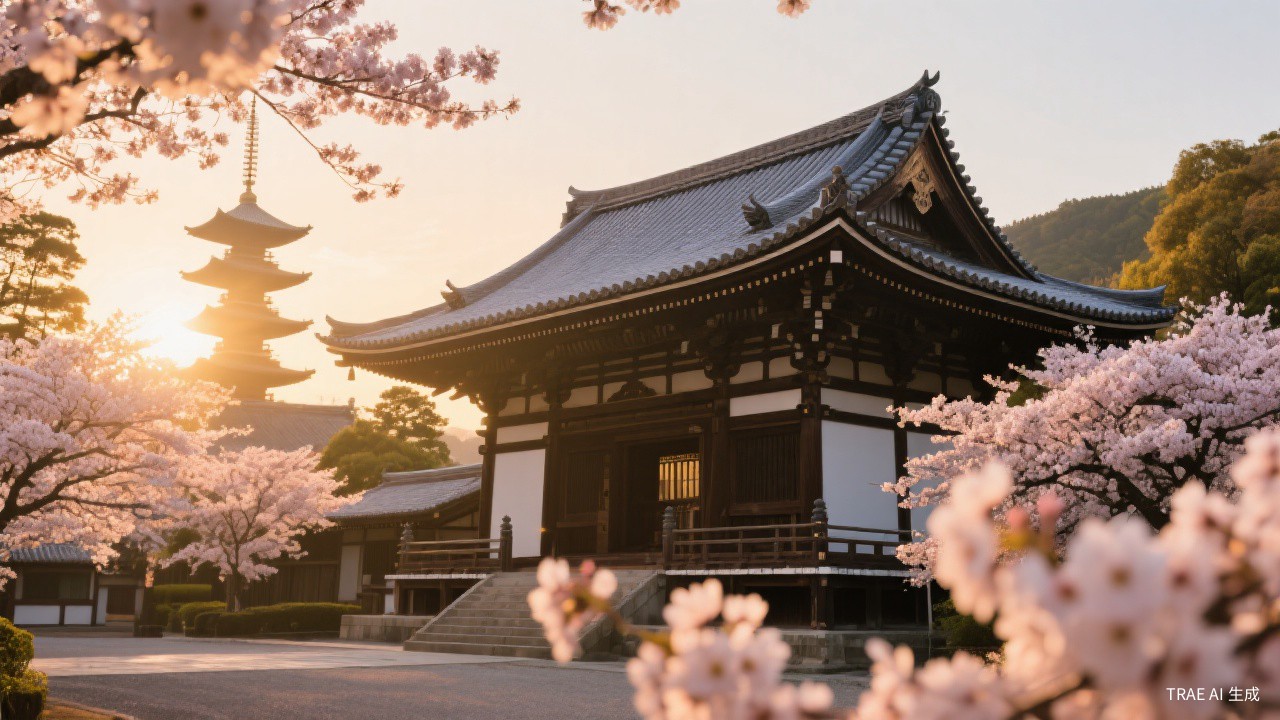
Kyoto is the cultural heart of Japan, home to over 2,000 temples and shrines, exquisite gardens, and living traditions that have been preserved for over a millennium. This guide reveals the best ways to experience this extraordinary city.
 Asia
AsiaBangkok In-Depth: Temples, Street Food, and Night Market Culture
Bangkok is a city of contrasts where ornate temples stand beside gleaming skyscrapers and ancient traditions thrive alongside modern urban life. This guide explores the best of Thailand's vibrant capital.