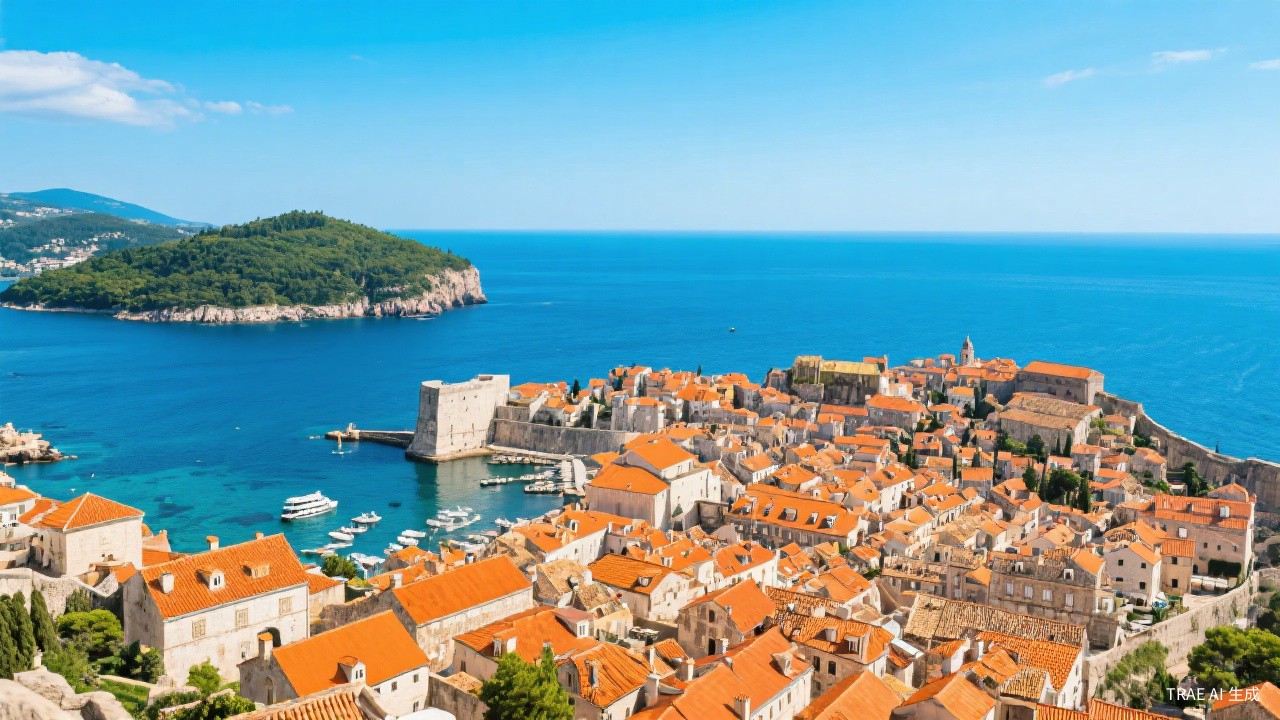
Adriatic Gem
Croatia stretches along the eastern coast of the Adriatic Sea, offering over one thousand seven hundred kilometers of coastline dotted with more than one thousand islands. The country diverse geography includes everything from the fertile plains of Slavonia in the east to the rugged Dinaric Alps that form the backbone of the Balkan Peninsula. This variety of landscapes, combined with a Mediterranean climate along the coast, creates ideal conditions for a wide range of travel experiences.
The Croatian coastline has been a prized destination since Roman times, when emperors built lavish villas along its sheltered bays and inlets. The legacy of Roman, Venetian, and Austro-Hungarian rule is visible in the architecture, cuisine, and cultural traditions of the coastal towns. This layered history gives Croatian destinations a depth and complexity that goes beyond the typical beach holiday experience.
Croatia accession to the European Union in 2013 and its adoption of the Euro in 2023 have made travel logistics significantly easier for international visitors. The country tourism infrastructure has improved dramatically over the past two decades, with new hotels, restaurants, and transportation options complementing the existing charm of historic towns and natural attractions. Despite this development, Croatia retains an authentic character that sets it apart from more heavily touristed Mediterranean destinations.
The country is remarkably compact, making it possible to experience coastal scenery, historic cities, and national parks within a single trip of one to two weeks. The Adriatic Highway, or Jadranska Magistrala, runs along the coast and provides access to countless beaches, villages, and viewpoints. Ferry services connect the major islands to the mainland, allowing visitors to island-hop and discover the unique character of each destination.
Dubrovnik
Dubrovnik is often called the Pearl of the Adriatic, and its stunning Old Town, encircled by massive stone walls, is one of the best-preserved medieval cities in Europe. The entire Old Town is a UNESCO World Heritage Site, with marble-paved streets, baroque churches, and ornate fountains that transport visitors back to the golden age of the Republic of Ragusa. Walking the complete circuit of the city walls, approximately two kilometers long, provides panoramic views of terracotta rooftops, the shimmering Adriatic, and the surrounding mountains.
The city gained international fame as a filming location for the television series Game of Thrones, with Dubrovnik standing in for the fictional capital of King Landing. Guided tours of filming locations have become a popular activity, with fans visiting sites like the Lovrijenac Fortress, which served as the Red Keep, and the Jesuit Staircase, where Cersei Lannister began her walk of atonement. The tourism boost from the show has brought renewed attention and investment to the city.
Stradun, the main street of Dubrovnik Old Town, is a gleaming limestone thoroughfare that runs from Pile Gate to the clock tower at the other end of the city. The street is lined with shops, cafes, and historic buildings, including the Church of Saint Blaise, the patron saint of Dubrovnik. The Orlando Column, a medieval stone column in the center of Stradun, has served as a symbol of freedom and independence since the fifteenth century.
Beyond the city walls, Dubrovnik offers beautiful beaches, the cable car to Mount Srd for panoramic views, and the charming neighborhood of Lapad for a more relaxed local experience. The Lokrum Island, a short ferry ride from the Old Town harbor, is a nature reserve with botanical gardens, peacocks, and secluded swimming spots. Banje Beach, located just outside the Old Town walls, offers stunning views of the city walls rising directly from the sea.
Plitvice Lakes
Plitvice Lakes National Park is Croatia most visited natural attraction and a UNESCO World Heritage Site that showcases a series of sixteen terraced lakes connected by waterfalls and cascades. The lakes are renowned for their vivid colors, which range from azure to green to grey depending on the mineral content, angle of sunlight, and surrounding vegetation. Wooden walkways wind through the park, allowing visitors to get remarkably close to the waterfalls and experience the full beauty of this natural wonder.
The park covers nearly three hundred square kilometers of protected forest and mountain terrain in central Croatia, providing habitat for deer, bears, wolves, and over one hundred sixty species of birds. The beech, spruce, and fir forests that surround the lakes are among the last remaining primeval forests in Europe. The park ecosystem is remarkably intact, and the constant process of travertine deposition, where minerals in the water build up over time, continues to reshape the landscape.
Visiting Plitvice Lakes requires a full day to properly appreciate the upper and lower lake areas, with several hiking routes of varying lengths and difficulty. Electric boats connect the upper and lower lakes, while a panoramic train provides transportation between key points in the park. The most popular route takes approximately four to six hours and covers the most spectacular waterfalls and viewpoints, including the impressive Veliki Slap, the tallest waterfall in Croatia at seventy-eight meters.
The park is open year-round, with each season offering a different perspective on the landscape. Spring brings rushing waterfalls fed by snowmelt and wildflowers along the trails, while summer offers lush green forests and the most comfortable hiking conditions. Autumn transforms the surrounding forests into a palette of gold and red, and winter creates a magical frozen landscape with ice formations on the waterfalls and snow-covered walkways.
Split and Hvar
Split is Croatia second-largest city and a vibrant destination where ancient Roman history meets modern Mediterranean lifestyle. The city grew out of the Palace of Diocletian, a massive retirement complex built for the Roman emperor in the fourth century that remains one of the best-preserved Roman structures in the world. Today, the palace forms the heart of the Old Town, with shops, restaurants, and homes built into its ancient walls and cellars.
The Riva waterfront promenade is the social heart of Split, lined with palm trees, cafes, and restaurants that face the harbor and the Adriatic Sea. The promenade comes alive in the evening when locals and visitors gather to stroll, socialize, and enjoy the relaxed atmosphere. The nearby Marjan Hill offers hiking trails and viewpoints that provide panoramic views of the city, the harbor, and the surrounding islands.
Hvar is the most glamorous of the Croatian islands, known for its elegant architecture, lavender fields, and vibrant nightlife that attracts an international jet-set crowd. The town of Hvar features a stunning harborfront dominated by a Venetian-era fortress that offers commanding views of the Pakleni Islands. The island interior is covered in lavender, rosemary, and olive groves, producing essential oils and artisanal products that make excellent souvenirs.
The Pakleni Islands, a chain of small islands off the coast of Hvar, offer secluded coves, crystal-clear waters, and some of the best swimming spots on the Croatian coast. Water taxis from Hvar town provide regular service to the islands, where visitors can spend the day beach-hopping, snorkeling, or dining at waterfront restaurants. Carpe Diem Beach on Stipanska Island is one of the most famous beach clubs in the Adriatic, offering cocktails and music in a stunning natural setting.
Croatian Cuisine
Croatian cuisine reflects the diverse cultural influences that have shaped the country over centuries, with distinct regional traditions along the coast and in the interior. Coastal cuisine is Mediterranean in character, emphasizing fresh seafood, olive oil, garlic, and herbs like rosemary, sage, and bay leaf. Black risotto, made with cuttlefish ink, is a signature Dalmatian dish that is as visually striking as it is delicious.
Peka is a traditional Dalmatian cooking method where meat and vegetables are placed under a bell-shaped lid called an ispod peke and slow-cooked over an open fire. The dish typically includes lamb or veal with potatoes, carrots, and onions, seasoned with olive oil, garlic, and herbs. The slow cooking process creates incredibly tender meat with rich, concentrated flavors that represent the essence of Croatian rustic cuisine.
Inland Croatian cuisine is heartier and more Central European in character, with dishes like sarma, cabbage rolls stuffed with minced meat and rice, and strukli, a baked pastry filled with cheese. The region of Slavonia is known for its spicy paprika-based dishes and excellent freshwater fish from the Danube River. Kulen, a spicy fermented sausage, is the most prized delicacy of the Slavonian region and is produced using traditional methods passed down through generations.
Croatian wine production has experienced a remarkable renaissance in recent years, with indigenous grape varieties gaining international recognition among wine enthusiasts. The coastal region of Dalmatia produces excellent red wines from varieties like Plavac Mali, the genetic ancestor of Zinfandel, while the inland region of Slavonia is known for its crisp white wines from Grasevina grapes. Wine tasting at local vineyards and cellars is a rewarding way to experience the terroir and traditions of Croatian winemaking.
Traveler's Tip
Always check the latest travel advisories and entry requirements before planning your trip. Requirements can change, so verify visa policies, health recommendations, and safety guidelines with official government sources before you go.
Related Articles
 Asia
AsiaThe Ultimate Tokyo Travel Guide: From First-Timer to Expert
Tokyo is a dazzling metropolis where centuries-old traditions coexist with cutting-edge technology. This comprehensive guide covers everything you need to plan an unforgettable trip to Japan's dynamic capital.
 Asia
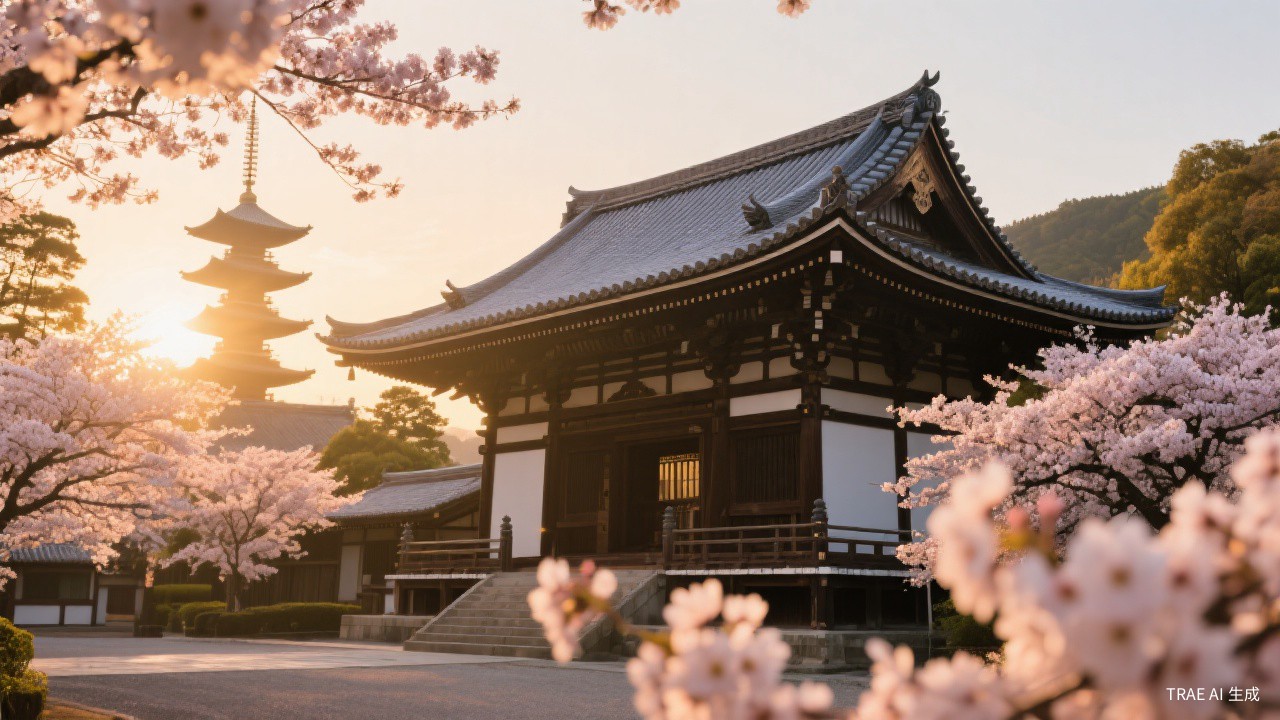
AsiaKyoto Travel Guide: Exploring Japan's Ancient Capital
Kyoto is the cultural heart of Japan, home to over 2,000 temples and shrines, exquisite gardens, and living traditions that have been preserved for over a millennium. This guide reveals the best ways to experience this extraordinary city.
 Asia
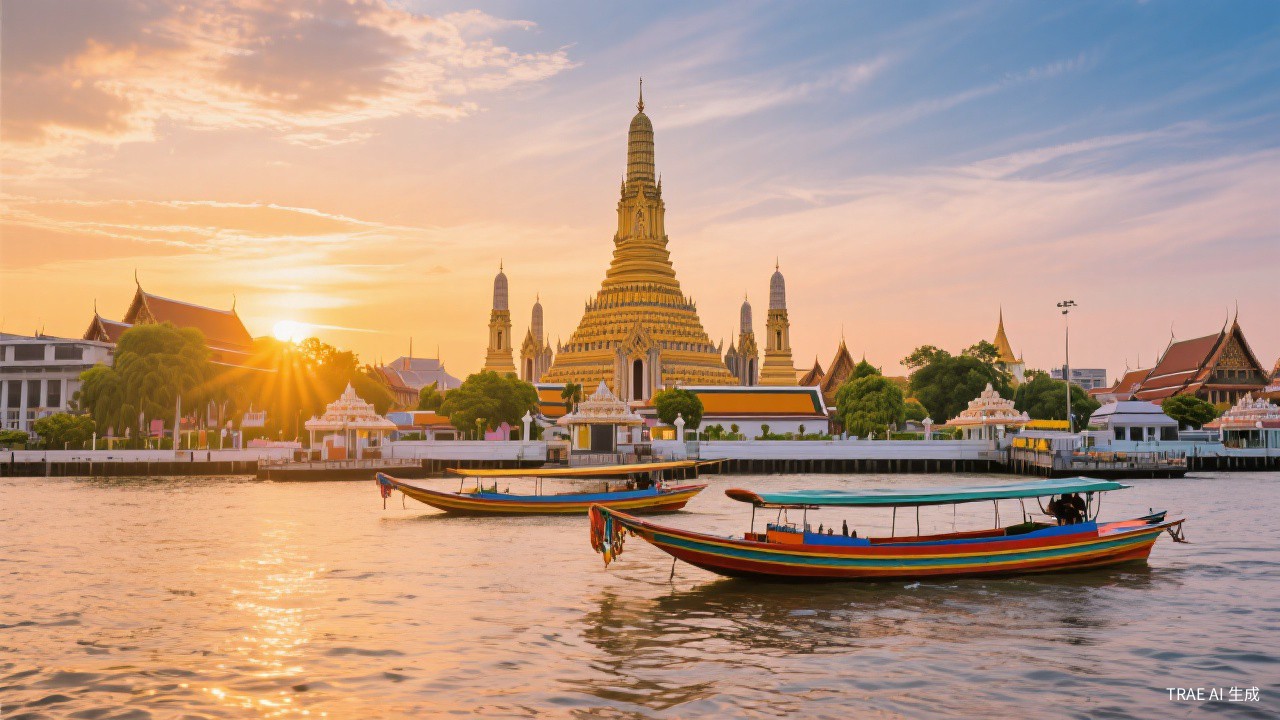
AsiaBangkok In-Depth: Temples, Street Food, and Night Market Culture
Bangkok is a city of contrasts where ornate temples stand beside gleaming skyscrapers and ancient traditions thrive alongside modern urban life. This guide explores the best of Thailand's vibrant capital.