A Natural Wonder of the World
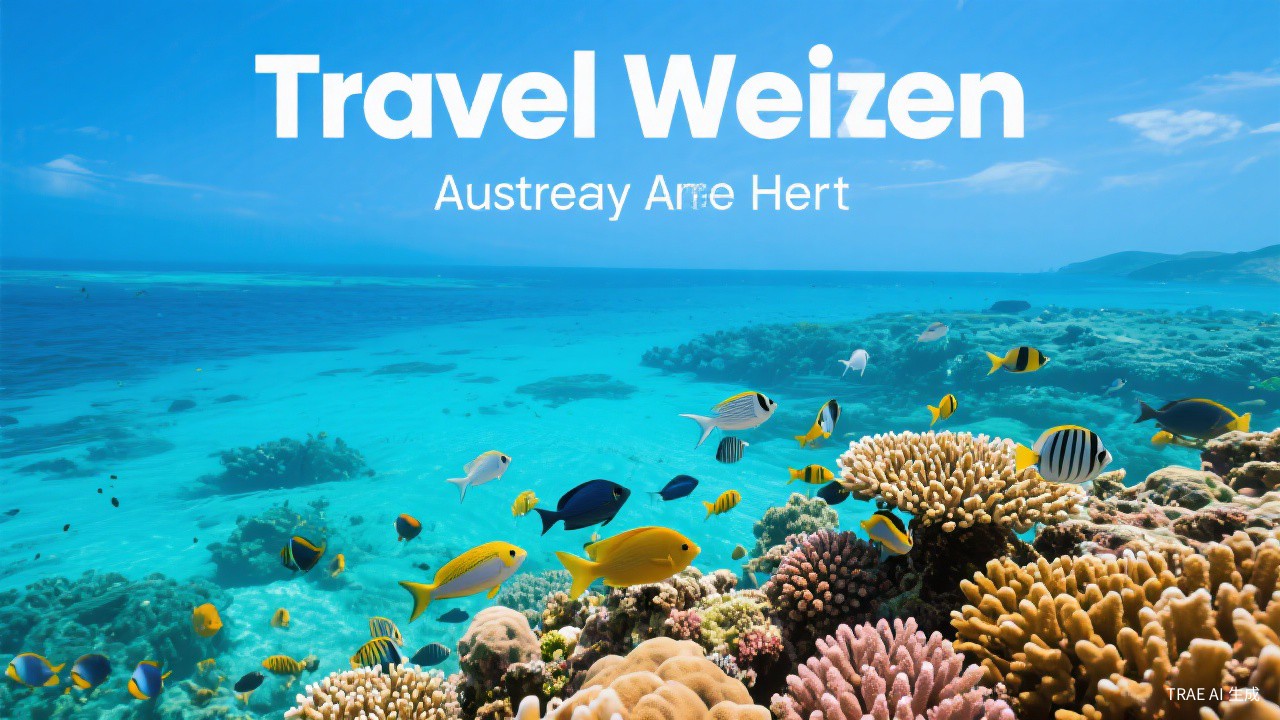
The Great Barrier Reef is the largest living structure on Earth, stretching over 2,300 kilometers along the northeastern coast of Australia and comprising nearly 3,000 individual reef systems and 900 islands. Visible from space, this extraordinary ecosystem is so vast that it covers an area roughly equivalent to the size of Italy, making it the largest World Heritage Site on the planet. The reef is composed of billions of tiny coral polyps that have been building upon each other for over 500,000 years, creating a structure of incomparable biological complexity.
The Great Barrier Reef Marine Park, established in 1975, protects approximately 99 percent of the reef from extractive activities and is managed by the Great Barrier Reef Marine Park Authority. The park is zoned into different use areas, with some sections strictly protected while others allow sustainable tourism, fishing, and research activities. This management framework has been instrumental in maintaining the reef's health while allowing millions of visitors to experience its wonders each year.
The reef supports an astonishing diversity of life, including over 1,500 species of fish, 400 types of coral, 240 species of birds, and six of the world's seven species of sea turtles. Dugongs, large marine mammals related to manatees, graze on seagrass beds within the reef, while humpback whales migrate through the area during their annual journey to breeding grounds. The reef is also home to over 5,000 species of mollusks and countless species of crustaceans, sponges, and marine plants.
Scientists estimate that the Great Barrier Reef is between 6,000 and 8,000 years old in its current form, though the underlying reef structure has a much longer geological history dating back millions of years. Indigenous Aboriginal and Torres Strait Islander peoples have been connected to the reef for over 60,000 years, and their traditional ecological knowledge continues to inform modern conservation efforts. The reef holds deep spiritual and cultural significance for these communities, who have managed its resources sustainably for millennia.
Best Ways to Explore the Reef
Snorkeling is the most accessible and popular way to experience the Great Barrier Reef, requiring no special training or certification and suitable for all ages and fitness levels. Day trip boats departing from Cairns, Port Douglas, and the Whitsunday Islands transport visitors to reef sites where they can snorkel directly from the boat or from pontoon platforms. Many tour operators provide snorkeling equipment, wetsuits or stinger suits, and guided snorkeling tours that help beginners feel comfortable in the water.
Scuba diving offers a more immersive reef experience, allowing certified divers to explore deeper reef walls, coral gardens, and underwater caves that are inaccessible to snorkelers. Introductory dives, also known as resort dives, are available for non-certified visitors and provide a supervised introduction to scuba diving under the guidance of experienced instructors. Certified divers can choose from single-day trips to the outer reef, multi-day liveaboard expeditions, and specialized dives including night dives and shark feed dives.
Glass-bottom boat tours and semi-submersible vessels provide an excellent reef viewing option for non-swimmers, young children, and elderly visitors who prefer to stay dry while observing the underwater world. These tours typically operate from permanent pontoon platforms on the reef and offer commentary from marine naturalists who explain the ecology and behavior of the marine life visible below. Underwater observatories, accessible by descending stairs from the pontoon, provide a fish-eye view of the reef environment.
Helicopter and seaplane flights over the Great Barrier Reef offer a breathtaking aerial perspective that reveals the reef's immense scale and the vivid color contrasts between the turquoise shallow lagoons, deep blue channels, and white sand cays. Flights typically depart from Cairns, Port Douglas, and the Whitsunday Islands, with options ranging from short scenic flights to extended tours that include reef landings and beach picnics on secluded sand cays. The aerial view also provides opportunities to spot marine megafauna including manta rays, turtles, and whales from above.
Marine Life Encounters
The coral trout, with its striking red and blue coloration, is one of the most commonly sighted fish on the Great Barrier Reef and an important indicator species for reef health. Clownfish, made famous by the animated film Finding Nemo, can be found nestled among the tentacles of sea anemones throughout the reef, and their symbiotic relationship with their host anemones is a fascinating example of marine coevolution. Large schools of colorful parrotfish, angelfish, and butterflyfish create a kaleidoscopic display that delights snorkelers and divers at every turn.
Sea turtles are among the most beloved residents of the Great Barrier Reef, with six species found in Australian waters including the green turtle, hawksbill turtle, and loggerhead turtle. The reef provides critical nesting beaches and feeding grounds for these ancient reptiles, and visitors during the nesting season from November to March may witness females coming ashore to lay eggs or hatchlings making their perilous journey to the sea. Several islands and coastal areas within the marine park have turtle rehabilitation centers where injured turtles are treated and released.
The reef's apex predators include several species of sharks, from small reef sharks that are harmless to humans to larger species such as whitetip reef sharks and occasional hammerhead sharks. Shark sightings are common on reef dives and snorkeling excursions, and these encounters are generally safe when conducted with experienced operators who understand shark behavior. The presence of sharks is actually a positive sign of reef health, as they play a crucial role in maintaining the balance of marine ecosystems.
Between June and November, humpback whales migrate through the waters of the Great Barrier Reef on their annual journey from Antarctic feeding grounds to tropical breeding areas. Minke whales, the smallest of the baleen whales, are commonly encountered on the outer reef during June and July and are known for their curious behavior, often approaching boats and snorkelers. Dwarf minke whale swim tours, operating from Cairns and Port Douglas during the peak season, offer one of the most extraordinary wildlife encounters available anywhere in the world.
Cairns and Port Douglas
Cairns is the primary gateway to the Great Barrier Reef and the largest city in Tropical North Queensland, with a population of approximately 160,000 people. The city has a relaxed tropical atmosphere, with the Esplanade boardwalk and lagoon serving as the social hub for both locals and visitors. Cairns offers a wide range of accommodation, restaurants, and tour operators, making it a convenient base for reef excursions, rainforest visits, and other regional attractions.
The Cairns Esplanade Lagoon is a 4,800-square-meter saltwater swimming pool that provides a safe swimming alternative to the beaches, which are generally unsuitable for swimming due to seasonal stinger jellyfish and crocodile risk. The surrounding Esplanade precinct includes exercise stations, barbecue areas, and the Cairns Night Markets, where visitors can browse stalls selling souvenirs, clothing, and massage services. The nearby Cairns Botanic Gardens showcase the region's tropical plant diversity with themed gardens including an Aboriginal plant use garden.
Port Douglas, located approximately one hour's drive north of Cairns along a scenic coastal road, offers a more upscale and intimate base for exploring the reef and the Daintree Rainforest. The town has a sophisticated dining scene, boutique shopping along Macrossan Street, and the famous Four Mile Beach, a long stretch of golden sand lined with palm trees. Port Douglas is closer to the outer reef than Cairns, which means shorter boat travel times to prime reef sites.
The Daintree Rainforest, accessible from both Cairns and Port Douglas, is the oldest continuously surviving tropical rainforest in the world and a UNESCO World Heritage Site that meets the Great Barrier Reef at the coast. This extraordinary ecosystem contains an incredible concentration of plant and animal species found nowhere else, including the endangered cassowary, a large flightless bird that plays a crucial role in rainforest seed dispersal. Guided tours through the Daintree offer opportunities to learn about Aboriginal culture, spot wildlife, and cruise the Daintree River in search of crocodiles.
Conservation and the Future
The Great Barrier Reef faces significant environmental challenges, with climate change being the most serious long-term threat through rising sea temperatures that cause coral bleaching events. Mass coral bleaching occurs when water temperatures exceed the tolerance range of coral polyps, causing them to expel the symbiotic algae that provide their food and color. The reef experienced unprecedented back-to-back mass bleaching events in 2016 and 2017, and subsequent events in 2020 and 2022 have further stressed the ecosystem.
The Great Barrier Reef Foundation and numerous research institutions are working on innovative conservation strategies including coral reef restoration, assisted gene flow, and the development of heat-resistant coral strains. Scientists at the Australian Institute of Marine Science are pioneering techniques such as coral larval reseeding, where millions of coral larvae are collected during spawning events and redistributed to degraded reef areas. These efforts represent some of the most advanced coral conservation science being conducted anywhere in the world.
Crown-of-thorns starfish outbreaks pose another significant threat to the reef, as these voracious predators can devastate large areas of coral by feeding on the living polyps. The Crown-of-thorns Starfish Control Program employs dedicated vessels that inject the starfish with a lethal bile salt solution, protecting high-value reef tourism sites from outbreaks. Water quality improvement programs targeting agricultural runoff, which carries sediments, nutrients, and pesticides into reef waters, are also critical to reducing the cumulative pressures on the ecosystem.
Visitors to the Great Barrier Reef can contribute to conservation efforts by choosing eco-certified tour operators who follow best-practice environmental standards and contribute to reef research and monitoring programs. The Eco Certification Program administered by Ecotourism Australia recognizes operators who minimize their environmental impact and actively support conservation initiatives. Responsible reef practices for visitors include using reef-safe sunscreen, maintaining proper buoyancy control while diving, and never touching or standing on coral formations.
Traveler's Tip
Always check the latest travel advisories and entry requirements before planning your trip. Requirements can change, so verify visa policies, health recommendations, and safety guidelines with official government sources before you go.
Related Articles
 Asia
AsiaThe Ultimate Tokyo Travel Guide: From First-Timer to Expert
Tokyo is a dazzling metropolis where centuries-old traditions coexist with cutting-edge technology. This comprehensive guide covers everything you need to plan an unforgettable trip to Japan's dynamic capital.
 Asia
AsiaKyoto Travel Guide: Exploring Japan's Ancient Capital
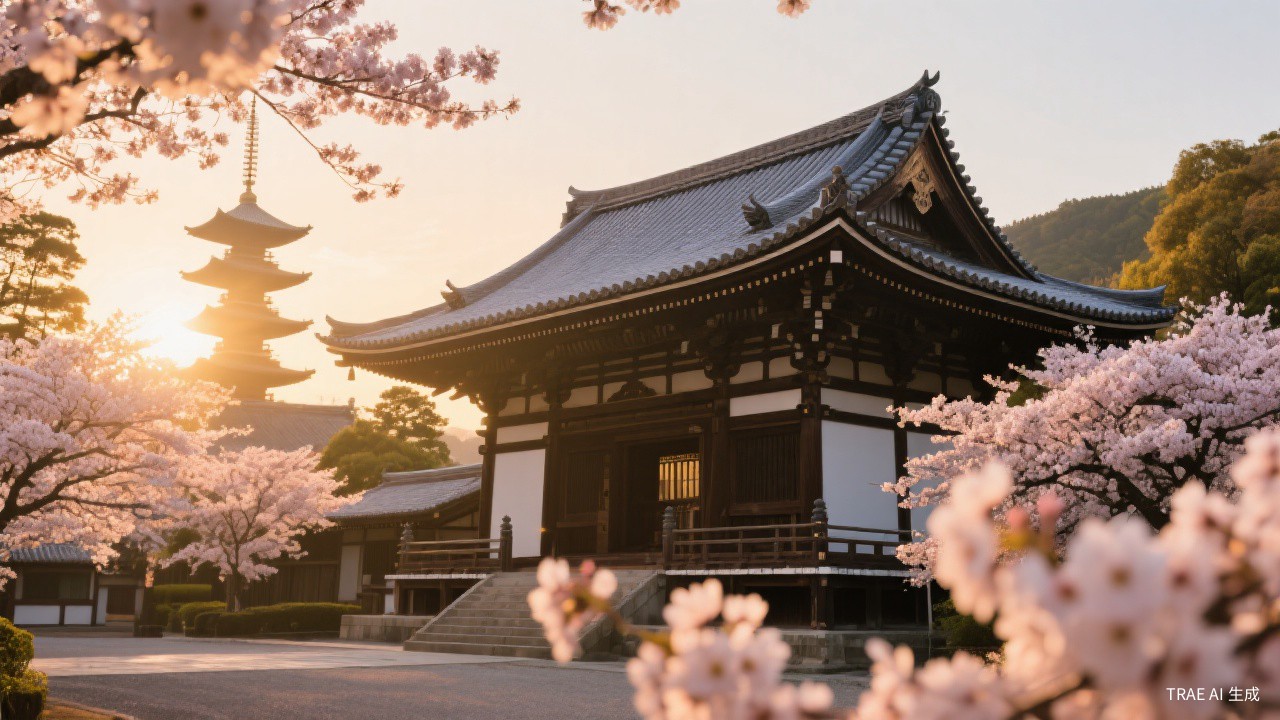
Kyoto is the cultural heart of Japan, home to over 2,000 temples and shrines, exquisite gardens, and living traditions that have been preserved for over a millennium. This guide reveals the best ways to experience this extraordinary city.
 Asia
AsiaBangkok In-Depth: Temples, Street Food, and Night Market Culture
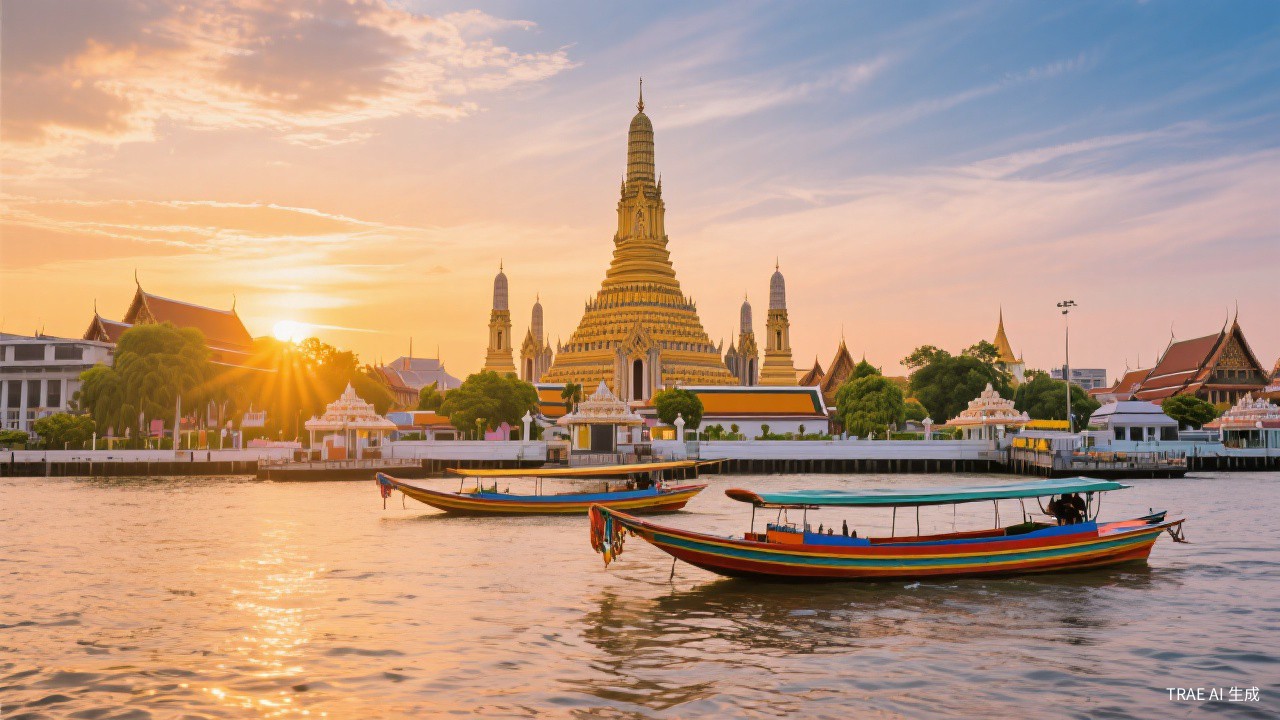
Bangkok is a city of contrasts where ornate temples stand beside gleaming skyscrapers and ancient traditions thrive alongside modern urban life. This guide explores the best of Thailand's vibrant capital.