A World in One City
London is a sprawling metropolis that seamlessly blends centuries of history with cutting-edge modernity. The city is home to more than eight million people who speak over three hundred languages, making it one of the most culturally diverse places on Earth. Visitors can experience global cuisine, hear dozens of languages on a single tube ride, and explore neighborhoods that feel like entirely different countries.
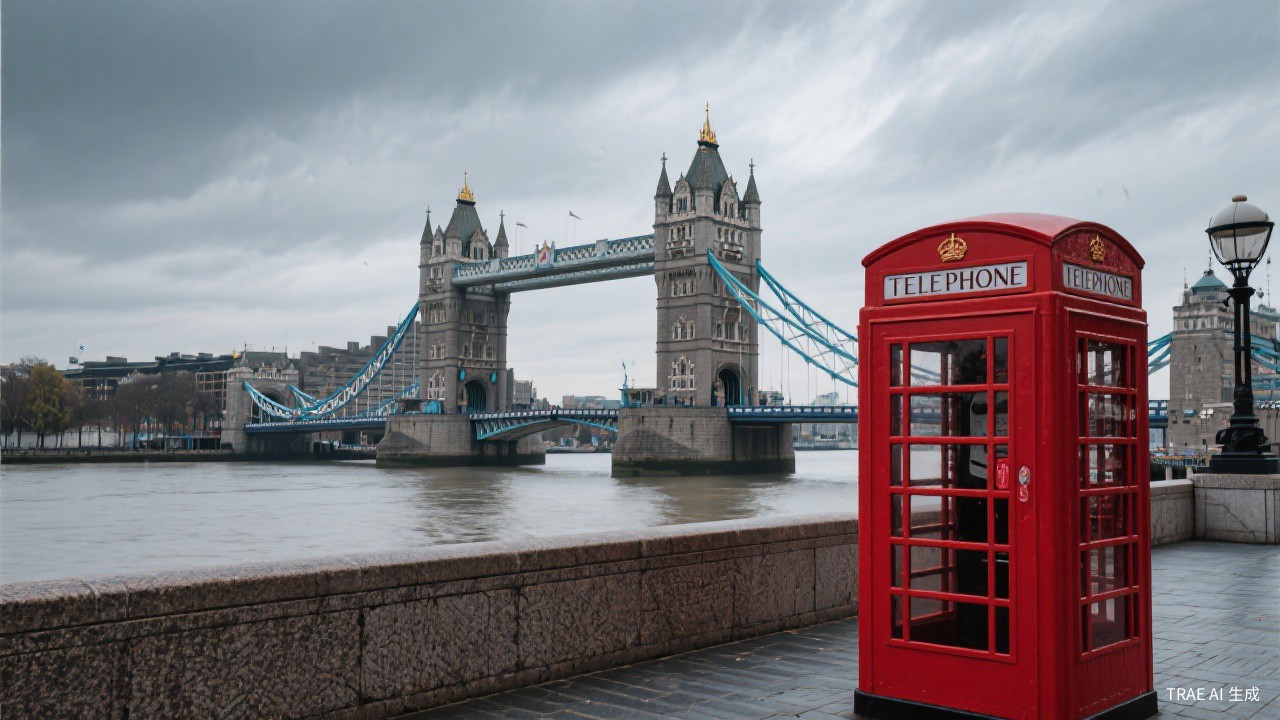
The River Thames divides the city into north and south, with iconic bridges like Tower Bridge and the Millennium Bridge connecting the two halves. Walking along the South Bank is one of the most enjoyable ways to spend an afternoon, offering stunning views of the skyline, street performers, and a constant stream of activity. The cityscape itself is a patchwork of architectural styles, from Roman ruins and medieval churches to glass skyscrapers designed by world-renowned architects.
Getting around London is remarkably easy thanks to the Underground, commonly known as the Tube, which is the oldest rapid transit system in the world. The famous red double-decker buses provide a scenic alternative for shorter journeys and are especially enjoyable on the top deck. An Oyster card or contactless payment makes hopping between zones simple and cost-effective for tourists.
London experiences a temperate maritime climate with mild winters and warm summers, though rain can arrive at any time of year. Spring and early autumn are generally considered the best seasons to visit, offering comfortable temperatures and fewer crowds than the peak summer months. Packing layers and a sturdy umbrella is always a wise decision for anyone exploring the British capital.
Royal London
No visit to London is complete without experiencing its royal heritage, which permeates the city in grand palaces, ceremonial traditions, and historic landmarks. Buckingham Palace serves as the official residence of the British monarch and attracts millions of visitors each year who gather to watch the Changing of the Guard ceremony. This elaborate display of precision marching and military music takes place daily during summer and several times per week in winter.
The Tower of London stands as one of the most important historical sites in Britain, having served as a royal palace, prison, and treasury over its nearly thousand-year history. Visitors can marvel at the Crown Jewels, which include some of the most valuable gemstones in the world, and learn about famous prisoners like Anne Boleyn and Sir Walter Raleigh. The Yeoman Warders, popularly known as Beefeaters, lead entertaining tours that bring the fortress walls to life with centuries of dramatic stories.
Westminster Abbey has been the coronation church of English and British monarchs since 1066 and remains one of the finest examples of Gothic architecture in the country. The abbey also serves as the final resting place for many kings, queens, scientists, and writers, including Elizabeth I, Isaac Newton, and Charles Dickens. Nearby, the Houses of Parliament and Big Ben create one of the most photographed panoramas in all of Europe.
Kensington Palace offers a more intimate royal experience, showcasing the State Rooms where Queen Victoria spent her childhood and exhibitions about modern royal life. The palace gardens are beautifully maintained and provide a peaceful retreat from the bustling city streets. Hampton Court Palace, located a short train ride from central London, allows visitors to step into the world of Henry VIII and wander through its magnificent Tudor kitchens and gardens.
World-Class Museums
London boasts an extraordinary collection of museums, many of which offer free admission to their permanent exhibitions. The British Museum houses over eight million works spanning human history from prehistoric times to the present day. Its most famous exhibits include the Rosetta Stone, the Elgin Marbles, and the Egyptian mummies, each drawing visitors into the fascinating story of human civilization.
The Natural History Museum in South Kensington is a cathedral of science that captivates visitors of all ages with its towering dinosaur skeletons and interactive exhibits. The building itself is a masterpiece of Victorian architecture, with intricate terracotta facades and a dramatic central hall dominated by a suspended whale skeleton. The museum recently opened new Earth Galleries that explore the forces shaping our planet through immersive displays.
The Victoria and Albert Museum, commonly known as the V&A, is the world leading museum of art, design, and performance. Its vast collection includes fashion, textiles, ceramics, furniture, and photography from across the globe and throughout history. The museum courtyard, with its shallow reflecting pool, provides a stunning setting for a break between exploring the galleries.
The Tate Modern, housed in a converted power station on the Thames, showcases international contemporary and modern art in dramatic industrial spaces. Across the river, the National Gallery on Trafalgar Square holds one of the greatest collections of Western European paintings in the world. Art enthusiasts could easily spend weeks exploring these institutions alone, and many smaller galleries throughout the city reward curious visitors with surprising discoveries.
Markets and Neighborhoods
London markets are an essential part of the city character, offering everything from vintage clothing and antique furniture to gourmet street food and handcrafted goods. Borough Market, located near London Bridge, is one of the oldest and most renowned food markets in the capital. Vendors sell artisanal cheeses, freshly baked bread, seasonal produce, and prepared dishes from cuisines around the world.
Camden Market in North London has been a hub of alternative culture since the 1970s and continues to attract visitors with its eclectic mix of stalls, live music venues, and street food. The market spans several interconnected areas, including the famous Camden Lock, where independent designers sell unique fashion and jewelry. The surrounding neighborhood is filled with colorful murals, punk rock shops, and a creative energy that sets it apart from more traditional London districts.
Notting Hill is famous for its pastel-colored townhouses and the annual Carnival, which is Europe largest street festival celebrating Caribbean culture. Portobello Road Market runs through the heart of the neighborhood on Saturdays, offering antiques, vintage clothing, and handmade crafts. The area has a relaxed, village-like atmosphere that makes it a favorite destination for leisurely weekend strolls and café hopping.
Covent Garden combines shopping, entertainment, and dining in a vibrant pedestrian district centered around a historic market building. Street performers entertain crowds in the piazza while boutique shops and upscale restaurants line the surrounding streets. Nearby Soho offers a different vibe entirely, with its lively nightlife, independent theaters, and some of the best Chinese and Japanese restaurants in the city.
Parks and Gardens
Despite being one of the largest cities in Europe, London contains an impressive network of royal parks that provide green sanctuaries for both residents and visitors. Hyde Park covers 350 acres in the heart of the city and offers boating on the Serpentine Lake, cycling paths, and the famous Speakers Corner where orators have debated freely since the nineteenth century. On summer evenings, the park hosts open-air concerts and film screenings that draw enthusiastic crowds.
Regent Park is home to London Zoo, the oldest scientific zoo in the world, as well as beautifully manicured rose gardens and an open-air theater. The park was designed by John Nash in the early nineteenth century and features elegant terraced housing along its northern edge. Primrose Hill, located at the northern end of the park, offers one of the best panoramic views of the London skyline.
Kew Gardens, located in southwest London, is a UNESCO World Heritage Site that houses the largest collection of living plants in the world. The Temperate House, recently restored to its Victorian glory, is the largest surviving Victorian glasshouse and contains some of the rarest and most threatened plant species. The treetop walkway provides a unique perspective on the garden canopy and the sprawling landscape below.
St James Park, the oldest of the royal parks, offers stunning views of Buckingham Palace and is a favorite spot for watching the pelicans that have lived there since the seventeenth century. Green Park provides a more tranquil experience with its mature trees and peaceful pathways connecting Buckingham Palace to Piccadilly. Together, these green spaces form an interconnected network that makes London one of the greenest major cities in the world.
Practical Tips
Planning a trip to London requires some practical knowledge to make the most of your visit. The best time to visit is from April through September when the weather is mildest and daylight hours are longest. However, visiting during the off-peak months of January through March can offer significant savings on accommodation and flights, along with shorter queues at major attractions.
The currency is the British pound sterling, and while credit cards are widely accepted, having some cash on hand is useful for smaller establishments and market stalls. Tipping is customary in restaurants, with ten to fifteen percent being the standard amount, though many restaurants add a service charge automatically. It is worth checking your bill before adding an additional tip.
London is generally a very safe city for tourists, but like any major metropolis, it requires basic awareness of your surroundings. Pickpocketing can occur in crowded areas, especially around popular tourist sites and on public transport. Keeping valuables secure and remaining vigilant in busy spaces will help ensure a trouble-free visit.
For accommodation, options range from luxury hotels in Mayfair and Knightsbridge to budget-friendly hostels in areas like King Cross and Bayswater. Booking well in advance is recommended, especially during peak tourist season and major events like Wimbledon or the Chelsea Flower Show. Staying near a Tube station makes getting around the city significantly more convenient and can save considerable time each day.
Traveler's Tip
Always check the latest travel advisories and entry requirements before planning your trip. Requirements can change, so verify visa policies, health recommendations, and safety guidelines with official government sources before you go.
Related Articles
 Asia
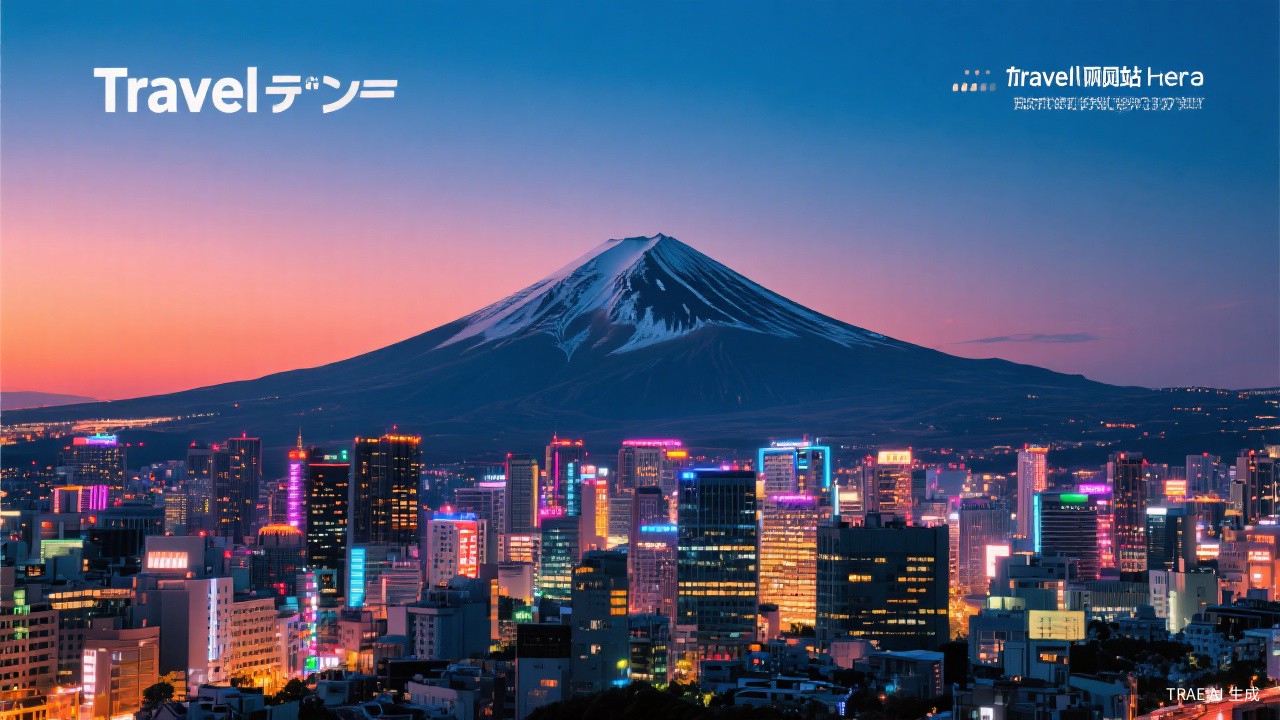
AsiaThe Ultimate Tokyo Travel Guide: From First-Timer to Expert
Tokyo is a dazzling metropolis where centuries-old traditions coexist with cutting-edge technology. This comprehensive guide covers everything you need to plan an unforgettable trip to Japan's dynamic capital.
 Asia
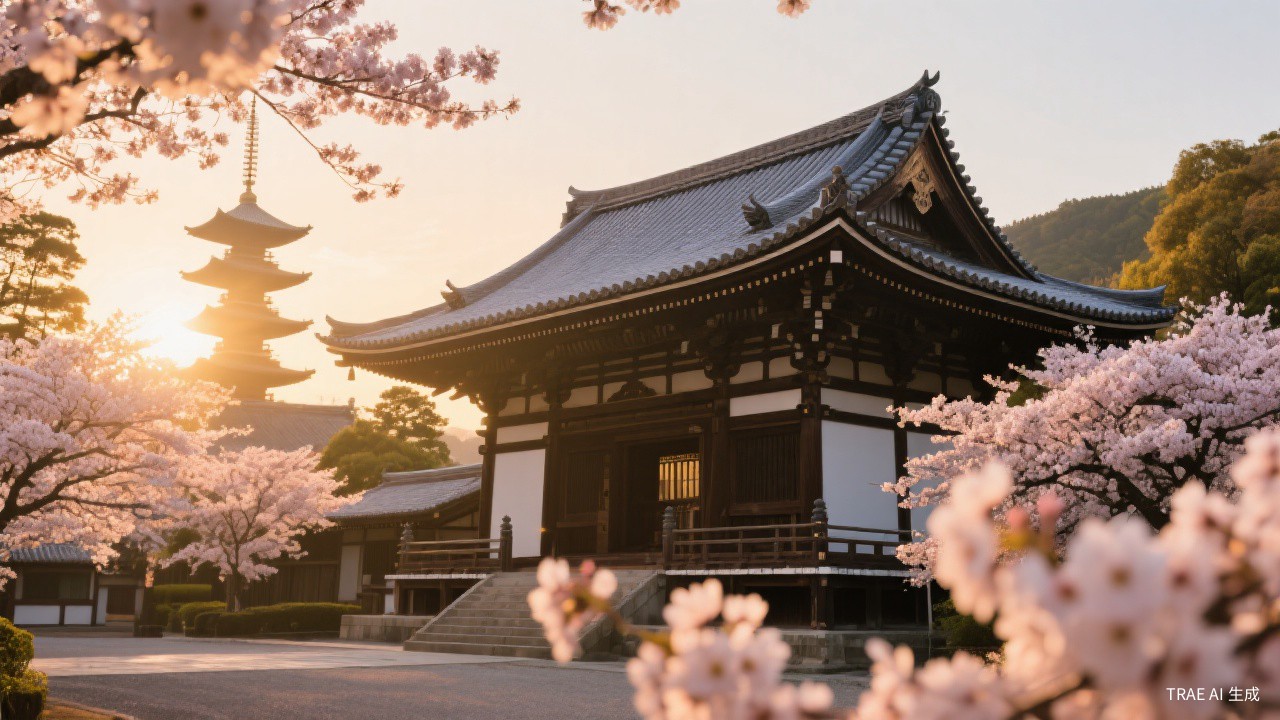
AsiaKyoto Travel Guide: Exploring Japan's Ancient Capital
Kyoto is the cultural heart of Japan, home to over 2,000 temples and shrines, exquisite gardens, and living traditions that have been preserved for over a millennium. This guide reveals the best ways to experience this extraordinary city.
 Asia
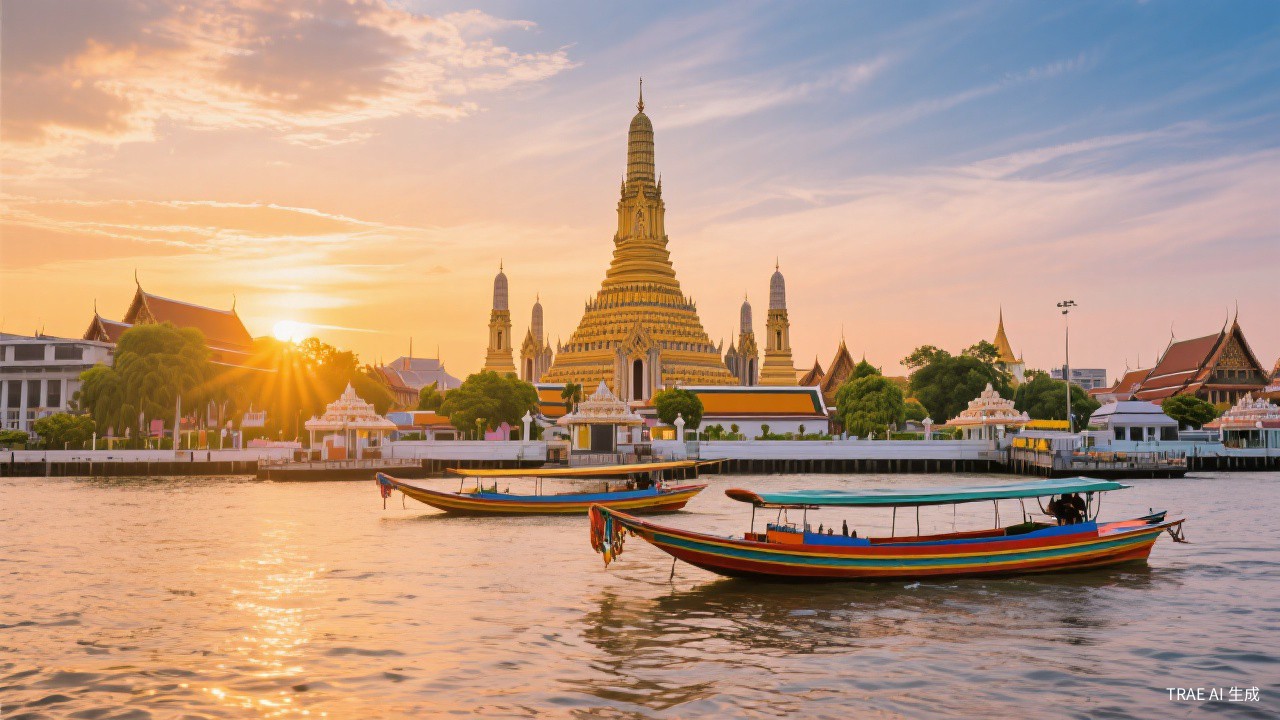
AsiaBangkok In-Depth: Temples, Street Food, and Night Market Culture
Bangkok is a city of contrasts where ornate temples stand beside gleaming skyscrapers and ancient traditions thrive alongside modern urban life. This guide explores the best of Thailand's vibrant capital.