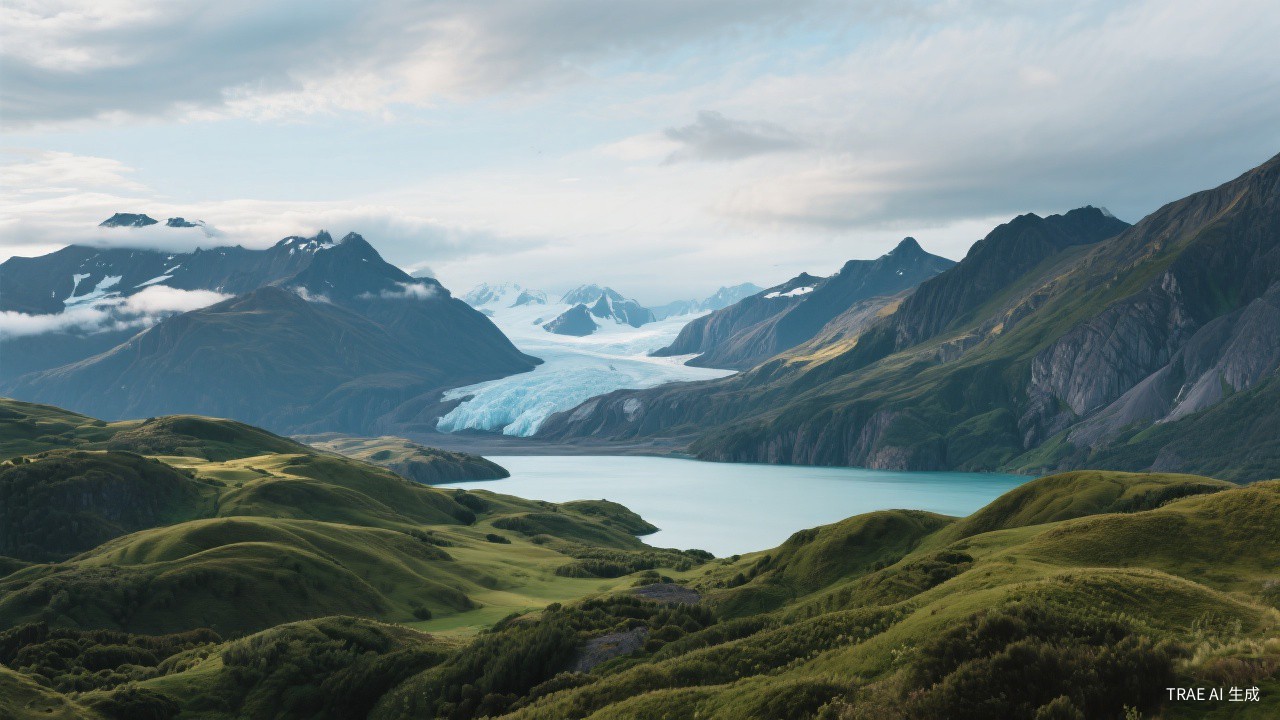
Welcome to Aotearoa
New Zealand, known as Aotearoa in the Maori language meaning Land of the Long White Cloud, is a country of extraordinary natural beauty that consistently captivates travelers from around the world. Comprising two main islands and numerous smaller ones, New Zealand packs an astonishing diversity of landscapes into a relatively compact area, from snow-capped mountains and ancient rainforests to geothermal valleys and pristine coastlines. The country's isolation has resulted in unique ecosystems found nowhere else on Earth, making it a paradise for nature lovers and outdoor enthusiasts.
The Maori people arrived in New Zealand from Polynesian homelands around 1250 to 1300 CE, establishing a rich cultural tradition that remains integral to the national identity. European contact began with the arrival of Dutch explorer Abel Tasman in 1642 and was followed by British colonization, with the Treaty of Waitangi signed between Maori chiefs and the British Crown in 1840. Today, New Zealand is a bicultural nation that celebrates both its Maori heritage and its colonial history, with Maori language, art, and customs woven into daily life.
New Zealand has a population of approximately five million people, with the majority living in the North Island and nearly a third residing in the Auckland metropolitan area. Despite its small population, the country has made an outsized impact on global culture through its film industry, adventure tourism, and agricultural exports. The filming of the Lord of the Rings trilogy brought unprecedented international attention to New Zealand's landscapes, and tourism has been a major economic driver ever since.
The country operates on a visa waiver program for citizens of many countries, allowing stays of up to 90 days for tourism purposes. The New Zealand dollar is the local currency, and English is the predominant language alongside Te Reo Maori, which has experienced a significant cultural revival in recent decades. The country's reputation for friendliness and hospitality is well deserved, and visitors will find locals eager to share their knowledge and love of their homeland.
North Island Highlights
Auckland, known as the City of Sails due to the abundance of yachts in its harbors, is New Zealand's largest city and the main international gateway for most visitors. The city is built across a narrow isthmus between the Tasman Sea and the Pacific Ocean, offering easy access to beaches on both coasts. The Sky Tower dominates the skyline and provides panoramic views, while the Auckland Domain, the city's oldest park, houses the Auckland Museum with its extensive collection of Maori and Pacific artifacts.
Rotorua, located in the central North Island, is New Zealand's geothermal wonderland where boiling mud pools, erupting geysers, and steaming vents create an otherworldly landscape. The area is also the cultural heartland of the Maori people, with several villages offering authentic cultural experiences including traditional hangi feasts cooked in earth ovens, Maori performances, and carved meeting houses. Te Puia, Whakarewarewa, and Mitai Maori Village are among the most popular cultural attractions in the region.
The Bay of Islands, a three-hour drive north of Auckland, is a subtropical paradise of 144 islands renowned for sailing, fishing, and dolphin watching. The historic town of Waitangi, where the Treaty of Waitangi was signed, offers important insights into New Zealand's founding document and the ongoing relationship between Maori and the Crown. The bay's clear waters and sheltered anchorages make it one of the finest cruising grounds in the South Pacific.
Tongariro National Park, located in the center of the North Island, was New Zealand's first national park and is a dual UNESCO World Heritage Site recognized for both its natural and cultural significance. The Tongariro Alpine Crossing is widely regarded as one of the best single-day hikes in the world, traversing volcanic terrain past emerald crater lakes, steam vents, and lava flows. The park served as the filming location for Mordor in the Lord of the Rings films, and its dramatic landscapes leave even seasoned travelers in awe.
South Island Wonders
The South Island is New Zealand's outdoor playground, a place where towering mountains, ancient glaciers, and deep fjords create some of the most spectacular scenery on the planet. Queenstown, known as the Adventure Capital of the World, sits on the shores of Lake Wakatipu beneath the Remarkables mountain range and serves as the base for activities including bungee jumping, skydiving, jet boating, and skiing. The town itself is charming, with excellent restaurants, bars, and a vibrant après-adventure social scene.
Milford Sound, located in Fiordland National Park in the southwest corner of the South Island, is often described as the eighth wonder of the world for its sheer scale and beauty. The fjord stretches 15 kilometers inland from the Tasman Sea, flanked by sheer rock faces that rise over 1,200 meters from the dark waters below. Mitre Peak, the iconic triangular mountain at the head of the sound, is one of the most photographed landmarks in New Zealand, and cruises through the fjord reveal waterfalls, rainforest, and abundant wildlife including seals, dolphins, and penguins.
The West Coast of the South Island is a wild and sparsely populated region where ancient rainforests meet the turbulent Tasman Sea along a rugged coastline. The Fox and Franz Josef Glaciers are among the most accessible glaciers in the world, where visitors can take guided walks onto the ice or view the glaciers from scenic helicopter flights. The Pancake Rocks at Punakaiki, with their layered limestone formations and dramatic blowholes, are another West Coast highlight that showcases the raw power of the natural elements.
The Marlborough region at the top of the South Island is New Zealand's largest wine-growing area, famous for producing world-class Sauvignon Blanc that has earned international acclaim. The Marlborough Sounds, a network of drowned river valleys, offer kayaking, sailing, and walking opportunities through sheltered coves and native bush. The Queen Charlotte Track, one of New Zealand's Great Walks, traverses 72 kilometers of stunning coastline through the sounds and can be completed over three to five days.
Adventure Activities
New Zealand is the birthplace of commercial bungee jumping, with AJ Hackett launching the first commercial operation at the Kawarau Bridge near Queenstown in 1988. Today, the country offers an incredible range of adventure activities that cater to all levels of thrill-seeking, from mild to absolutely extreme. The Nevis Bungee at 134 meters and the SkyJump from Auckland's Sky Tower at 192 meters are among the highest jumps available anywhere in the world.
The country's rivers and coastlines provide the perfect setting for water-based adventures, with white-water rafting available on rivers ranging from gentle grade two rapids to challenging grade five sections. The Shotover River near Queenstown and the Kaituna River near Rotorua are among the most popular rafting destinations, offering thrilling rides through deep gorges and over waterfalls. Jet boating, another New Zealand invention, takes passengers on high-speed rides through narrow river canyons at speeds exceeding 80 kilometers per hour.
Hiking, known as tramping in New Zealand, is a national pastime supported by an extensive network of well-maintained tracks and backcountry huts managed by the Department of Conservation. The nine Great Walks of New Zealand are the premier multi-day hiking experiences, including the Milford Track, Routeburn Track, and Abel Tasman Coast Track. For shorter excursions, countless day hikes throughout both islands provide access to alpine meadows, volcanic summits, coastal headlands, and ancient forests.
Skydiving over New Zealand's landscapes offers an unparalleled perspective on the country's beauty, with drop zones in Queenstown, Franz Josef, Taupo, and Auckland providing tandem jumps for beginners. The views during freefall and under canopy range from snow-capped mountains and turquoise lakes to volcanic plateaus and coastal stretches. Paragliding, hang gliding, and zip-lining are also widely available, ensuring that adrenaline seekers of every inclination will find their perfect adventure in New Zealand.
Practical Travel Tips
The best time to visit New Zealand depends on the activities you plan to pursue, with the summer months from December to February offering the warmest weather and longest days for outdoor activities. Winter from June to August brings snow to the mountains and excellent skiing conditions, while spring and autumn provide fewer crowds and mild temperatures ideal for hiking and sightseeing. New Zealand's weather is notoriously changeable, so packing layers and waterproof clothing is essential regardless of the season.
Getting around New Zealand requires some planning, as the country is larger than many visitors expect, with a distance of approximately 1,600 kilometers between the northern tip of the North Island and the southern end of the South Island. Renting a campervan is a popular option that provides both transportation and accommodation, with a well-developed network of holiday parks offering powered sites and facilities. Domestic flights between major centers are frequent and relatively affordable, while inter-island ferries and buses provide additional transport options.
New Zealand has strict biosecurity laws designed to protect its unique ecosystem from invasive species and agricultural pests, and all arriving passengers must declare food, plant material, and outdoor equipment at customs. The country is free from many pests and diseases found elsewhere, and penalties for failing to declare restricted items can be severe. Visitors should also be aware of the Predator Free 2050 initiative, a national effort to eliminate introduced predators that threaten native bird species including the iconic kiwi.
Accommodation in New Zealand ranges from budget-friendly hostels and holiday parks to luxury lodges and boutique hotels, with options to suit every budget and travel style. Booking in advance is recommended during the peak summer months and around major events, while shoulder seasons offer greater availability and lower prices. The New Zealand tourism website and regional visitor information centers provide excellent resources for planning accommodation, activities, and transport throughout the country.
Traveler's Tip
Always check the latest travel advisories and entry requirements before planning your trip. Requirements can change, so verify visa policies, health recommendations, and safety guidelines with official government sources before you go.
Related Articles
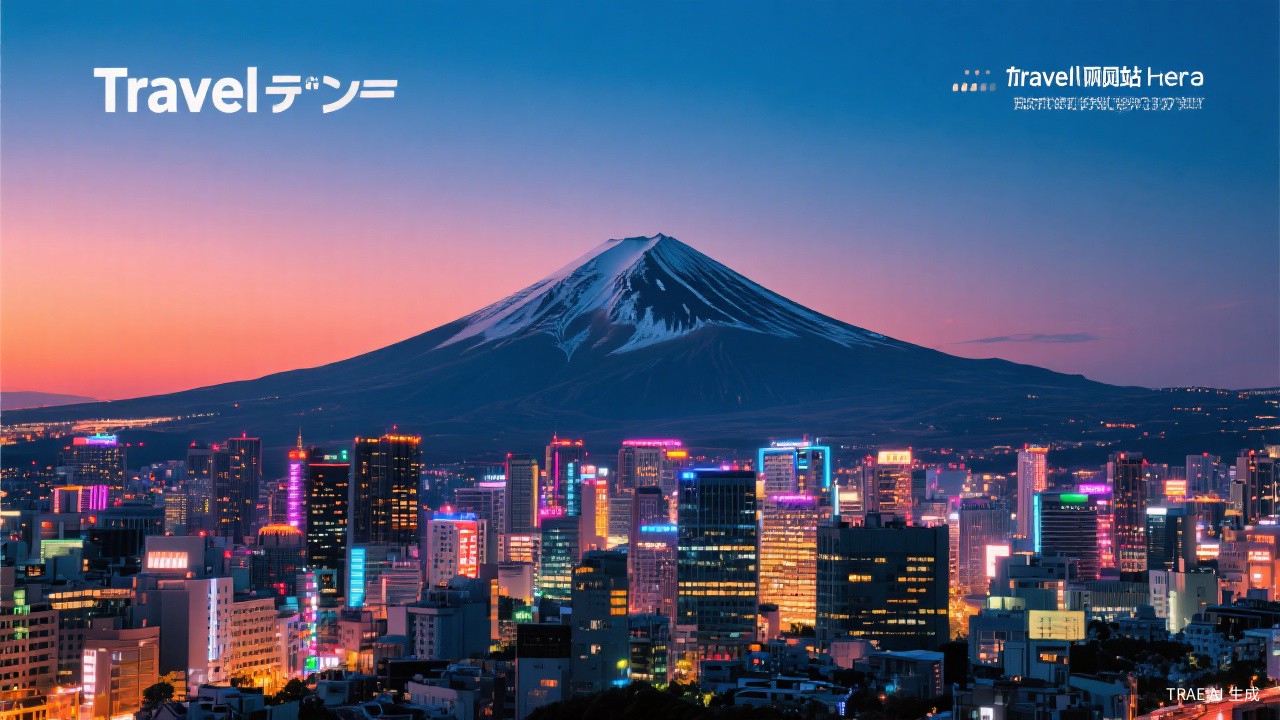 Asia
AsiaThe Ultimate Tokyo Travel Guide: From First-Timer to Expert
Tokyo is a dazzling metropolis where centuries-old traditions coexist with cutting-edge technology. This comprehensive guide covers everything you need to plan an unforgettable trip to Japan's dynamic capital.
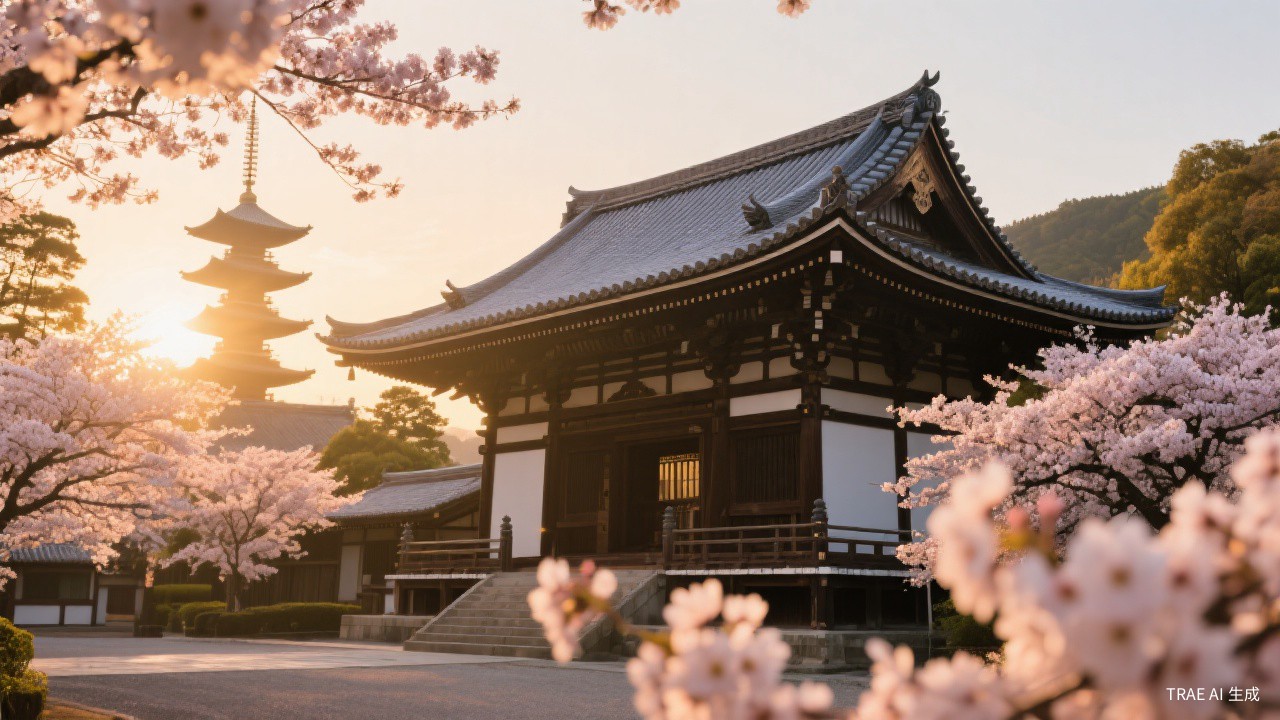 Asia
AsiaKyoto Travel Guide: Exploring Japan's Ancient Capital
Kyoto is the cultural heart of Japan, home to over 2,000 temples and shrines, exquisite gardens, and living traditions that have been preserved for over a millennium. This guide reveals the best ways to experience this extraordinary city.
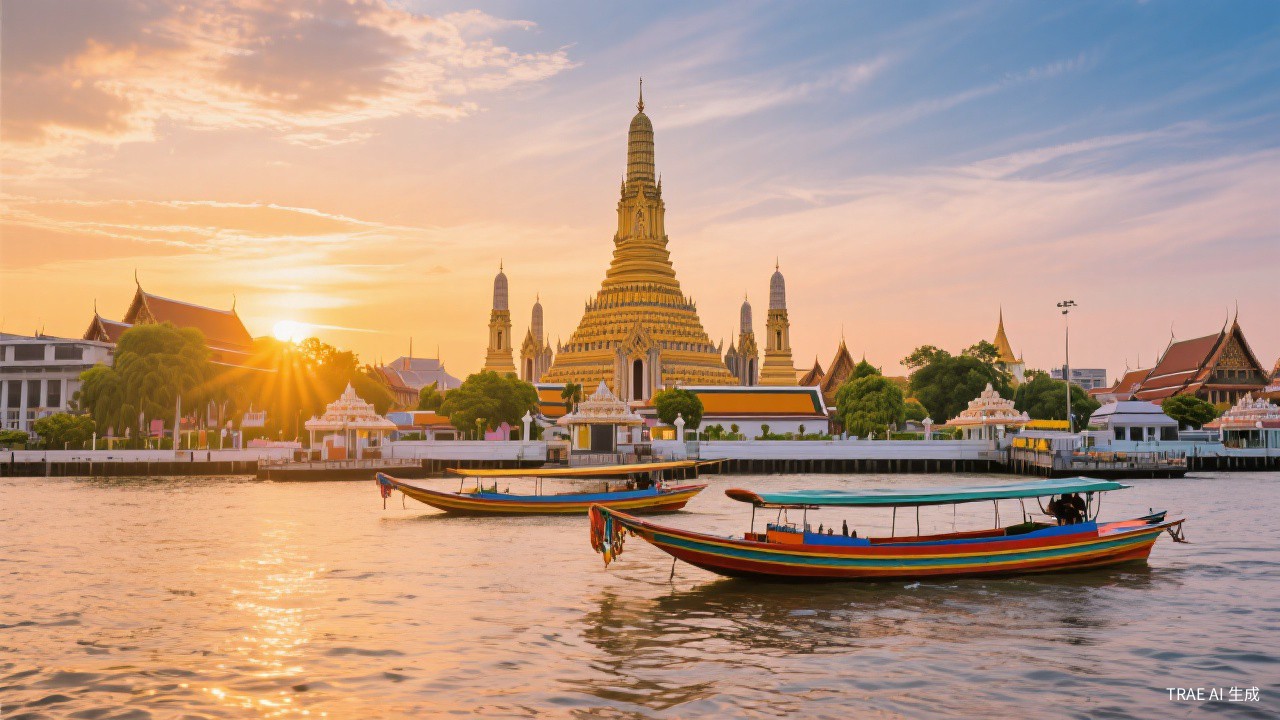 Asia
AsiaBangkok In-Depth: Temples, Street Food, and Night Market Culture
Bangkok is a city of contrasts where ornate temples stand beside gleaming skyscrapers and ancient traditions thrive alongside modern urban life. This guide explores the best of Thailand's vibrant capital.