Japan's Kitchen
Osaka has earned the title of "Japan's Kitchen," or Tenka no Daidokoro, through centuries of culinary innovation and an unwavering dedication to good food that permeates every aspect of the city's culture. The city's food heritage dates back to the Edo Period when Osaka served as Japan's rice distribution center, giving its merchants the wealth and ingredients to develop a sophisticated culinary tradition. Osaka is the birthplace of many of Japan's most beloved dishes, including takoyaki, okonomiyaki, and kushikatsu, and the city's residents, known as Osakans, have a reputation as the most food-obsessed people in a country that already takes its food very seriously. The local saying "kuidaore," which roughly translates to "eat until you drop," perfectly captures the Osaka attitude toward dining.
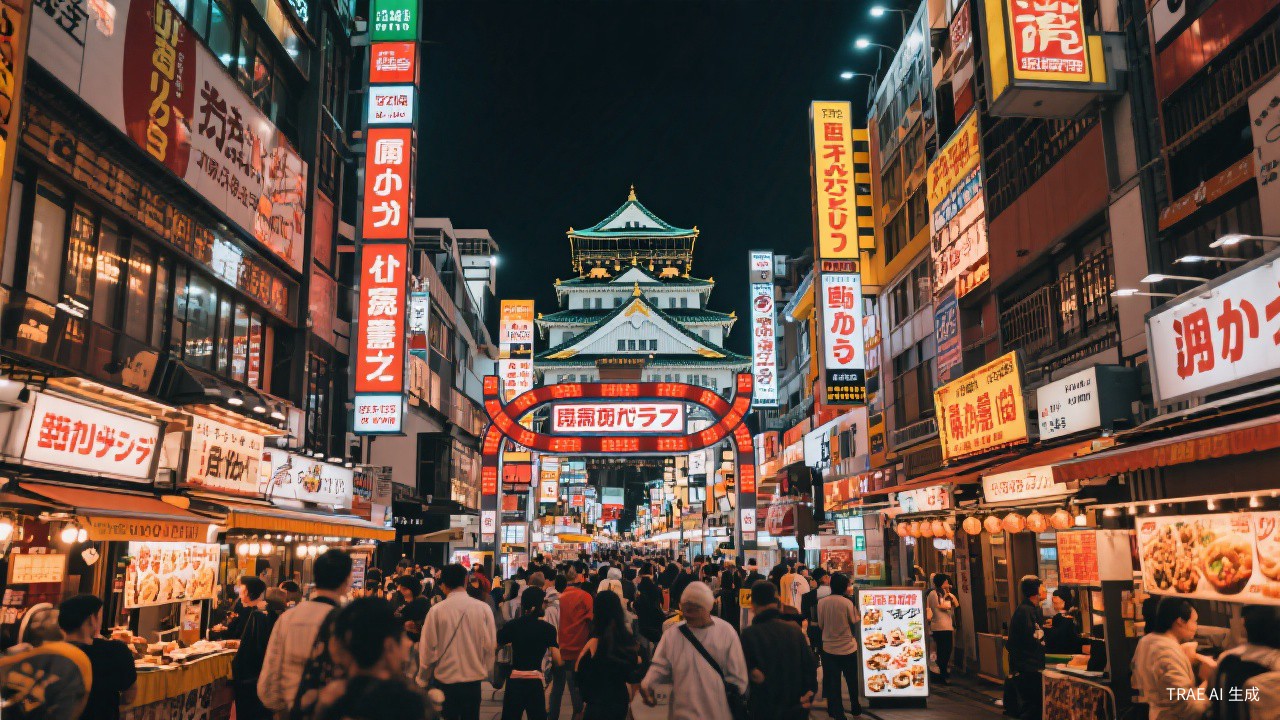
The Dotonbori district is the epicenter of Osaka's food culture and one of the most famous dining streets in all of Japan. The canal-side street is lined with restaurants, food stalls, and neon signs, most notably the iconic Glico Running Man sign that has been a landmark since 1935. Dotonbori comes alive after dark when the neon signs reflect off the surface of the canal and the street fills with locals and tourists seeking their next meal. The energy of Dotonbori is infectious, with vendors calling out to passersby, the sizzle of grills filling the air, and the constant flow of people creating an atmosphere of pure culinary excitement. A single evening in Dotonbori can introduce you to the full spectrum of Osaka's street food specialties.
Kuromon Market, often called "Osaka's Kitchen," is a covered market that has been serving the city's residents and restaurants since the early 20th century. The market stretches for approximately 580 meters and houses over 150 shops and restaurants selling fresh seafood, produce, meats, and prepared foods. The market is particularly famous for its seafood, with vendors offering everything from live octopus and giant crabs to premium cuts of tuna and sea urchin. Many shops sell ready-to-eat items including grilled scallops, tamagoyaki omelets, and fresh oysters, making Kuromon Market an excellent destination for a casual lunch or a snack-filled stroll. The market is busiest in the morning, when chefs from Osaka's restaurants come to select the freshest ingredients for the day's service.
Osaka's food culture is distinguished from Tokyo's by its emphasis on affordability, accessibility, and bold flavors. While Tokyo's dining scene is characterized by refinement and high prices, Osaka prides itself on delicious food that is available to everyone regardless of budget. The concept of "bimi," or deliciousness, is the guiding principle of Osaka cuisine, with dishes designed to deliver maximum flavor impact through combinations of sweet, savory, and umami elements. This democratic approach to food is reflected in the city's many standing bars, street stalls, and casual restaurants where extraordinary meals can be had for just a few hundred yen. For food lovers, Osaka offers a more approachable and convivial dining experience than Tokyo, with a warmth and informality that is quintessentially Osakan.
Dotonbori
Dotonbori is named after Yasui Doton, a local entrepreneur who in 1612 initiated the project of diverting the Umezu River to expand the canal that now bears his name. The area initially developed as a theater and entertainment district, with kabuki and bunraku puppet theaters attracting crowds from across the region. Over the centuries, Dotonbori evolved from an entertainment district into Osaka's premier dining and nightlife destination, while retaining its theatrical flair and showmanship. Today, the area is one of the most visited tourist destinations in Japan, attracting an estimated 12 million visitors annually who come for the food, the neon lights, and the unmistakable energy of the place.
The food stalls and restaurants of Dotonbori offer an overwhelming array of choices, but several dishes are essential Osakan experiences that every visitor should try. Takoyaki, ball-shaped snacks made from a batter of wheat flour filled with diced octopus, pickled ginger, and green onion, topped with a sweet sauce, mayonnaise, and bonito flakes, are the quintessential Osaka street food. Okonomiyaki, often described as a savory pancake but more accurately characterized as a layered dish of batter, cabbage, meat or seafood, and egg cooked on a griddle, is another must-try specialty. Kushikatsu, deep-fried skewers of meat, vegetables, and seafood dipped in a savory sauce, round out the trio of essential Dotonbori dishes.
Beyond the food, Dotonbori offers a wealth of entertainment options that make it a destination for an entire evening rather than just a meal. The area is home to numerous bars, clubs, and entertainment venues that cater to every taste and budget. The Hozenji Yokocho, a narrow alley just off the main Dotonbori street, provides a charming contrast to the neon-lit main drag with its traditional stone-paved lanes, old-fashioned restaurants, and the Hozenji Temple with its moss-covered Fudo Buddha statue. The alley is particularly atmospheric at night when paper lanterns illuminate the traditional facades and the sounds of the main street fade to a gentle murmur.
The iconic signage of Dotonbori has become a tourist attraction in its own right, with visitors queuing to photograph themselves in front of the most famous signs. The Glico Running Man, depicting a runner crossing a finish line with arms raised in triumph, has been replaced multiple times since its original installation in 1935 but remains the most recognizable symbol of Osaka. Other famous signs include the giant crab of Kani Doraku restaurant, the moving dragon above Kinryu Ramen, and the enormous blowfish lantern of Zuboraya. The best time to photograph the signs is at dusk when the neon lights begin to glow against the darkening sky and their reflections shimmer on the surface of the canal.
Historical Attractions
Osaka Castle is the city's most iconic landmark and a powerful symbol of Osaka's historical significance as a center of political and military power in feudal Japan. The original castle was built in 1583 by Toyotomi Hideyoshi, one of Japan's three great unifiers, on the site of the former Ishiyama Honganji Temple. The castle was the largest and most impressive fortress in Japan at the time of its construction, with the main tower rising five stories above a massive stone base. The castle was destroyed and rebuilt multiple times over the centuries, with the current structure, a concrete reconstruction dating to 1930, housing a museum that chronicles the history of the castle and the Toyotomi era.
The castle grounds cover approximately 106 hectares and include beautiful gardens, moats, stone walls, and several historic gates and turrets that survived from the original construction. The Nishinomaru Garden, located on the western side of the castle, is particularly beautiful during cherry blossom season when over 300 cherry trees create a tunnel of pink and white blossoms. The castle's massive stone walls, constructed without mortar using individually carved stones, are engineering marvels that have withstood centuries of earthquakes, fires, and warfare. Some of the largest stones weigh over 100 tons and were transported from quarries over 100 kilometers away, a feat of logistics that speaks to the power and ambition of Toyotomi Hideyoshi.
Shitenno-ji Temple is one of Japan's oldest Buddhist temples, founded in 593 AD by Prince Shotoku, who is credited with introducing Buddhism to Japan. The temple was one of the first great Buddhist institutions in the country and served as a center of Buddhist learning and charity for centuries. The current buildings are concrete reconstructions, as the temple has been destroyed and rebuilt numerous times over its long history, but they faithfully reproduce the original architectural layout. The temple complex follows a symmetrical design with the main hall, pagoda, lecture hall, and corridors arranged along a north-south axis in the style of early Chinese Buddhist architecture. The temple grounds are particularly beautiful in autumn when the ginkgo trees turn brilliant gold.
Sumiyoshi Taisha is one of Japan's oldest and most important Shinto shrines, with a history that predates the introduction of Buddhism to Japan. The shrine is dedicated to the Sumiyoshi Sanjin, three gods who are believed to protect travelers, fishermen, and sailors. The shrine's architecture is distinguished by its straight rooflines and the unique Soribashi, or arched bridge, that spans the pond at the entrance. The bridge, painted in a vivid vermillion red, is one of the most photographed structures in Osaka and is particularly beautiful when reflected in the still water of the pond. Sumiyoshi Taisha is a popular destination for hatsumode, the first shrine visit of the New Year, when millions of visitors come to pray for good fortune in the coming year.
Day Trips
Nara, located just 45 minutes by train from Osaka, was Japan's first permanent capital and remains one of the country's most historically and culturally significant cities. The city is home to eight UNESCO World Heritage Sites, including the magnificent Todai-ji Temple, which houses the world's largest bronze Buddha statue standing 15 meters tall and weighing approximately 500 tons. Nara Park, a vast green space in the center of the city, is inhabited by over 1,000 free-roaming deer that are considered divine messengers in Shinto belief and have become one of Japan's most beloved animal attractions. The park also contains Kasuga Taisha Shrine, known for its thousands of bronze and stone lanterns, and Kofuku-ji Temple with its iconic five-story pagoda.
Kobe, located approximately 30 minutes from Osaka by train, is a sophisticated port city known for its international atmosphere, scenic waterfront, and the famous Kobe beef. The city was one of the first ports opened to foreign trade in 1868 and retains a cosmopolitan character that distinguishes it from other Japanese cities. The Kitano district, where foreign merchants settled in the late 19th century, features beautifully preserved Western-style mansions called ijinkan that are open to the public. Kobe beef, raised from Tajima strain cattle in Hyogo Prefecture under strict quality controls, is renowned for its extraordinary marbling, tenderness, and flavor, and a meal at a certified Kobe beef restaurant is one of the most indulgent culinary experiences available in Japan.
Himeji Castle, located approximately 90 minutes from Osaka by Shinkansen bullet train, is widely regarded as the finest surviving example of Japanese castle architecture and a UNESCO World Heritage Site. The castle, known as the "White Heron Castle" for its brilliant white exterior, was built in the early 17th century and has survived wars, earthquakes, and the threat of demolition during the Meiji Period. Unlike many Japanese castles, Himeji is an original structure rather than a reconstruction, and its complex defensive system of walls, gates, and maze-like paths is considered a masterpiece of military architecture. The main tower offers panoramic views of the city and the surrounding Harima Plain from its top floor.
Wakayama Prefecture, south of Osaka, offers a wealth of natural and cultural attractions that are easily accessible for day trips. Mount Koya, or Koyasan, is the center of Shingon Buddhism and one of Japan's most sacred sites, featuring a vast cemetery with over 200,000 gravestones and monuments set among towering cedar trees. Visitors can stay overnight at a Buddhist temple, experience vegetarian shojin ryori temple cuisine, and participate in morning prayers with the monks. The Kumano Kodo, a network of ancient pilgrimage routes through the mountainous interior of the Kii Peninsula, is another UNESCO World Heritage Site that offers excellent hiking opportunities through pristine forest and past sacred shrines and waterfalls.
Traveler's Tip
Always check the latest travel advisories and entry requirements before planning your trip. Requirements can change, so verify visa policies, health recommendations, and safety guidelines with official government sources before you go.
Related Articles
 Asia
AsiaThe Ultimate Tokyo Travel Guide: From First-Timer to Expert
Tokyo is a dazzling metropolis where centuries-old traditions coexist with cutting-edge technology. This comprehensive guide covers everything you need to plan an unforgettable trip to Japan's dynamic capital.
 Asia
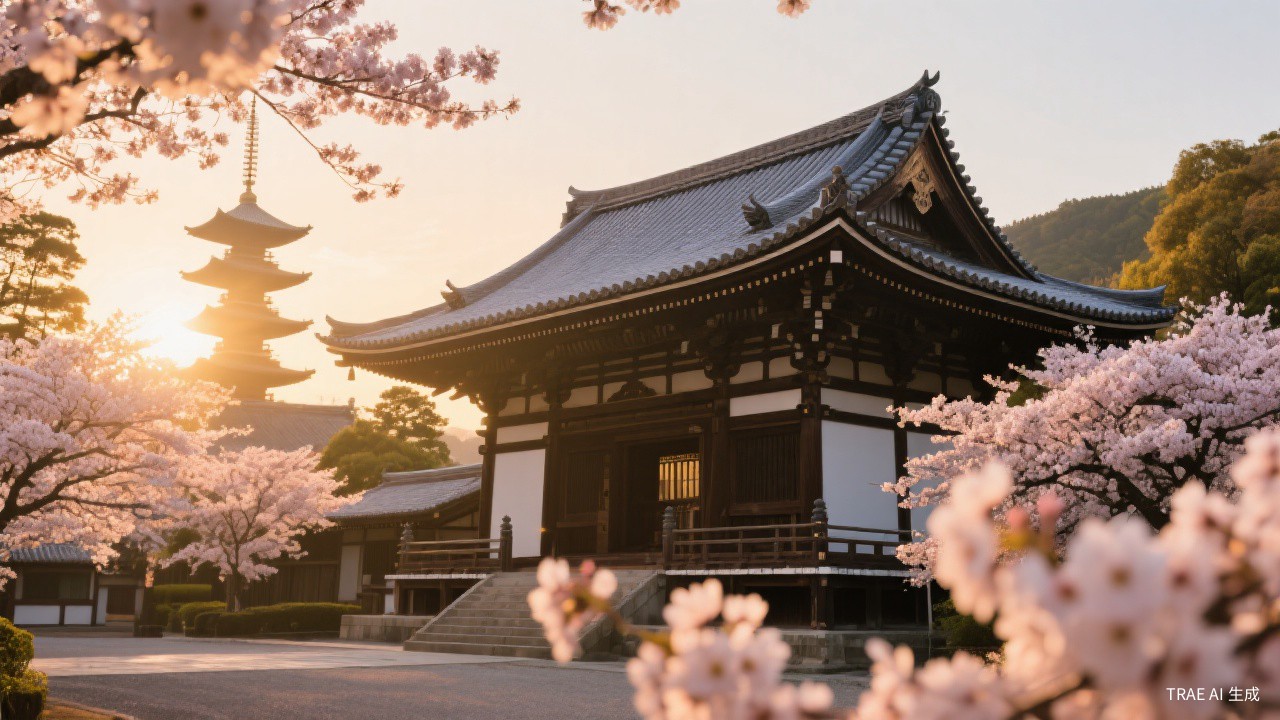
AsiaKyoto Travel Guide: Exploring Japan's Ancient Capital
Kyoto is the cultural heart of Japan, home to over 2,000 temples and shrines, exquisite gardens, and living traditions that have been preserved for over a millennium. This guide reveals the best ways to experience this extraordinary city.
 Asia
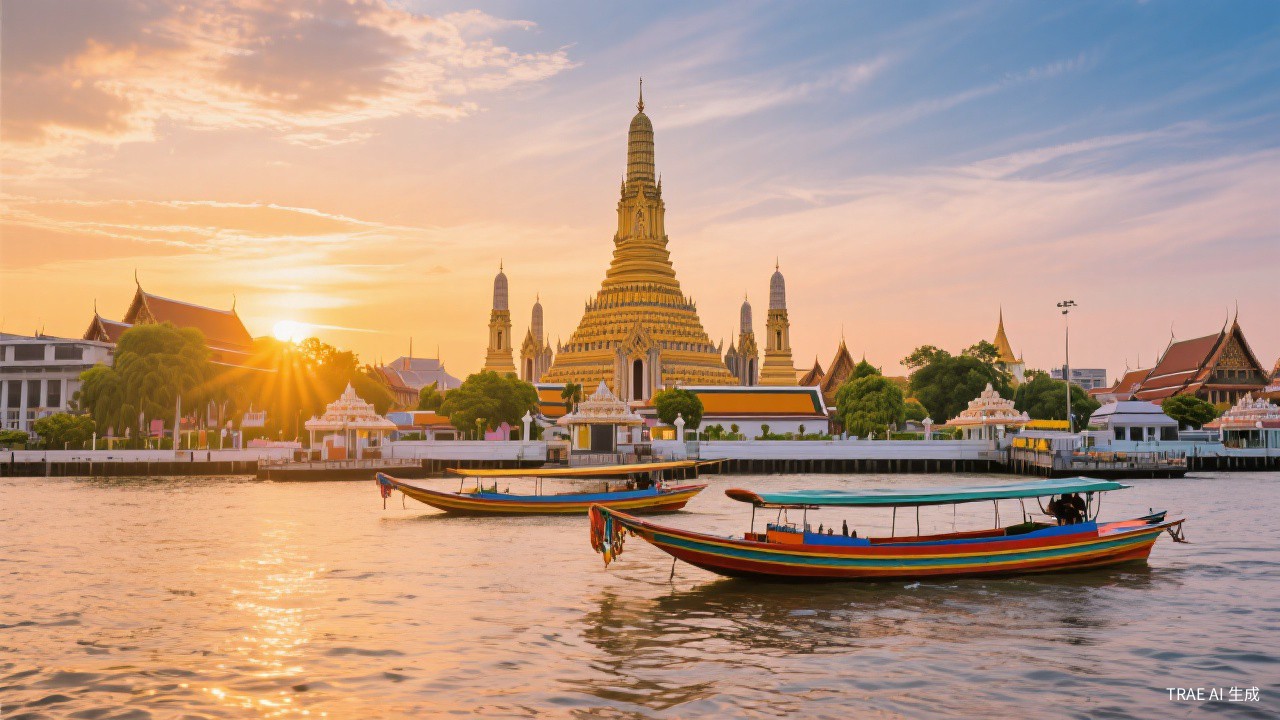
AsiaBangkok In-Depth: Temples, Street Food, and Night Market Culture
Bangkok is a city of contrasts where ornate temples stand beside gleaming skyscrapers and ancient traditions thrive alongside modern urban life. This guide explores the best of Thailand's vibrant capital.