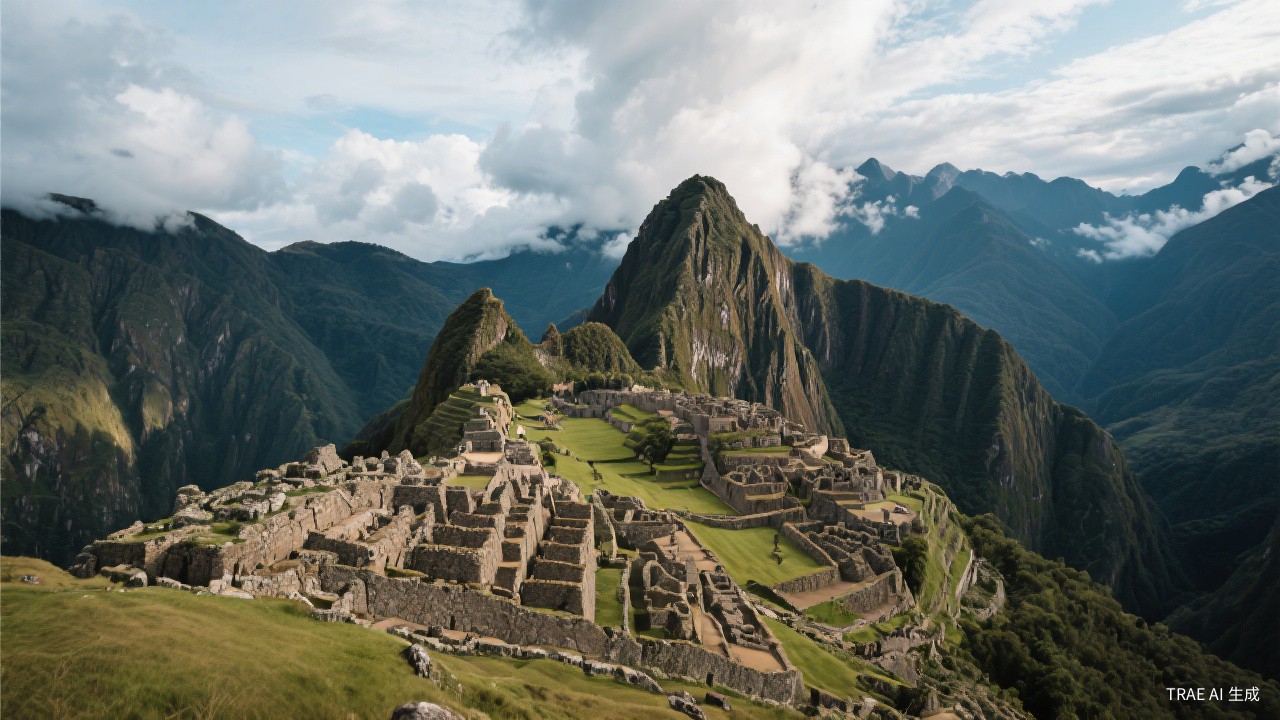
Land of the Incas
Peru is a land of extraordinary contrasts, where ancient civilizations, colonial architecture, and modern cities coexist against a backdrop of some of the most dramatic landscapes on Earth. The country stretches from the Pacific coast through the towering peaks of the Andes and down into the Amazon basin, encompassing 84 of the 117 life zones identified on the planet. This incredible geographic diversity supports an equally remarkable cultural diversity, with Peru home to dozens of indigenous communities, each preserving its own traditions, languages, and way of life.
The Inca Empire, which at its peak in the 15th century stretched from modern-day Colombia to Chile, left behind an architectural and cultural legacy that continues to define Peru's identity. The Incas were master engineers and stonemasons, constructing vast cities, agricultural terraces, and road networks across some of the most challenging terrain in the world. Sites like Machu Picchu, Sacsayhuaman, and Ollantaytambo demonstrate a level of precision and sophistication that continues to astonish archaeologists and visitors alike.
Modern Peru has emerged as one of South America's most dynamic and exciting destinations, with a booming culinary scene, improved infrastructure, and a growing reputation for adventure tourism. Lima, the capital, has been named the World's Leading Culinary Destination multiple times, while Cusco and the Sacred Valley attract millions of visitors each year drawn by the allure of Machu Picchu and the rich Andean culture. The country's tourism industry has invested heavily in accessibility and quality, making it easier than ever to explore this remarkable land.
The best time to visit Peru depends on which regions you plan to explore, as the country's three main geographic zones experience different weather patterns. The Andean highlands, including Cusco and Machu Picchu, have a dry season from May through September that is generally considered the best time for trekking and outdoor activities. The Amazon region is hot and humid year-round, with slightly less rain from June through September, while the coastal desert around Lima is sunny and mild from December through April.
Cusco and Sacred Valley
Cusco was the capital of the Inca Empire and remains one of the most fascinating cities in South America, where Inca stone walls form the foundations of Spanish colonial churches and mansions. The city sits at an elevation of approximately 11,150 feet, and visitors should plan to spend at least a day or two acclimatizing before undertaking strenuous activities. The historic center, designated a UNESCO World Heritage Site, is a maze of narrow cobblestone streets, lively plazas, and impressive colonial architecture built atop Inca foundations.
The Plaza de Armas, the main square of Cusco, is the heart of the city and a gathering place for both locals and visitors. The square is flanked by the Cusco Cathedral, a masterpiece of colonial architecture that took nearly a century to build, and the Church of the Society of Jesus, which sits atop the palace of the Inca emperor Huayna Capac. The plaza comes alive in the evenings with street performers, vendors selling traditional crafts, and locals gathering to socialize in the cool mountain air.
The Sacred Valley of the Incas stretches between Cusco and Machu Picchu along the Urubamba River, offering a landscape of lush green valleys, ancient terraces, and traditional Andean villages. The valley was the breadbasket of the Inca Empire, and its fertile soil and moderate climate made it an ideal location for agricultural experimentation and production. Today, the valley is dotted with archaeological sites, markets, and communities where traditional Quechua culture remains very much alive.
Pisac, located at the entrance to the Sacred Valley, is famous for both its impressive hilltop Inca ruins and its vibrant artisan market. The ruins feature some of the finest Inca stonework outside of Machu Picchu, with agricultural terraces, temples, and residential areas spread across a mountainside overlooking the valley. The market, held on Sundays, Tuesdays, and Thursdays, draws visitors and locals alike with its colorful textiles, ceramics, silver jewelry, and traditional Andean foods.
Ollantaytambo, further along the Sacred Valley, is one of the few places where visitors can see Inca town planning that is still inhabited and functioning today. The massive fortress overlooking the town features enormous stone blocks that were transported from a quarry across the river valley, a feat of engineering that remains unexplained. The town's narrow streets and water channels, designed by the Incas over 500 years ago, continue to serve the community and provide a tangible connection to the ancient past.
Machu Picchu
Machu Picchu stands as the most iconic archaeological site in South America and one of the most recognized landmarks in the entire world. The ancient citadel, perched on a ridge high above the Urubamba River, was built in the 15th century as a royal estate for the Inca emperor Pachacuti and was abandoned approximately 100 years later during the Spanish conquest. The site remained unknown to the outside world until 1911, when American historian Hiram Bingham was led to the ruins by local farmers.
The classic way to reach Machu Picchu is by hiking the Inca Trail, a four-day trek through cloud forests, mountain passes, and ancient ruins that culminates with a sunrise arrival at the Sun Gate overlooking the citadel. The trail covers approximately 26 miles and crosses Dead Woman's Pass at an elevation of 13,828 feet, making it a challenging but deeply rewarding experience. Permits for the Inca Trail are strictly limited to 500 per day, including guides and porters, and must be booked several months in advance.
For those who prefer not to hike, the train journey from Cusco or Ollantaytambo to Aguas Calientes, the town at the base of Machu Picchu, is one of the most scenic rail rides in the world. The route follows the Urubamba River through a dramatic gorge, passing lush vegetation, cascading waterfalls, and small Andean communities. From Aguas Calientes, buses wind their way up the steep mountainside to the entrance of Machu Picchu, a journey of approximately 25 minutes.
Exploring Machu Picchu requires a minimum of a half day, though many visitors choose to spend a full day or even return for a second visit. The site is divided into several sectors, including the agricultural terraces, the Temple of the Sun, the Room of the Three Windows, and the Intihuatana stone, which served as an astronomical observatory. Hiking to the top of Huayna Picchu, the steep peak that rises behind the citadel, provides a dramatic bird's-eye view of the entire complex and the surrounding mountains.
Peruvian Cuisine
Peruvian cuisine has taken the culinary world by storm over the past two decades, earning Lima the title of gastronomic capital of South America and inspiring restaurants around the globe. The cuisine is a rich fusion of indigenous, Spanish, African, Chinese, and Japanese influences, reflecting the diverse cultural heritage of the Peruvian people. Ingredients like potatoes, quinoa, corn, and chili peppers, all native to the Andes, form the foundation of a culinary tradition that is both ancient and constantly evolving.
Ceviche is Peru's most famous dish, consisting of fresh raw fish marinated in lime juice and mixed with red onions, chili peppers, and cilantro. The acid in the lime juice cures the fish, transforming its texture and flavor while preserving its freshness. Peruvian ceviche is typically served with sweet potato and corn on the cob, and the marinade, known as leche de tigre or tiger's milk, is considered a delicacy in its own right and is sometimes served as a small glass alongside the dish.
Lomo saltado is another beloved Peruvian classic that perfectly illustrates the country's culinary fusion, combining Chinese stir-frying techniques with Peruvian ingredients. The dish consists of strips of beef sauteed with onions, tomatoes, and soy sauce, served over French fries and accompanied by rice. This seemingly simple combination of flavors and textures creates a dish that is greater than the sum of its parts and can be found on menus throughout the country.
The culinary scene in Lima is particularly extraordinary, with restaurants like Central, Maido, and Astrid y Gaston consistently ranking among the best in the world. Central, led by chef Virgilio Martinez, offers a tasting menu that takes diners on a journey through Peru's diverse ecosystems, with dishes inspired by ingredients from different altitudes and regions. For a more accessible experience, Lima's countless cevicherias, pollerias, and street food stalls provide authentic and affordable meals that showcase the depth of Peruvian culinary tradition.
Amazon
The Peruvian Amazon covers approximately 60 percent of the country's territory and is one of the most biodiverse regions on the planet, home to an astonishing variety of plant and animal species. The region is accessed primarily through the cities of Iquitos in the north and Puerto Maldonado in the south, each serving as gateways to different parts of the vast Amazon basin. Iquitos, the largest city in the world unreachable by road, can only be reached by air or by river, adding to its sense of remoteness and adventure.
The Tambopata National Reserve, located near Puerto Maldonado in southeastern Peru, is one of the most accessible and rewarding Amazon destinations in South America. The reserve protects over 675 square miles of tropical rainforest and is home to jaguars, giant river otters, macaws, and hundreds of other species. The nearby Chuncho clay lick, where hundreds of macaws gather daily to consume mineral-rich clay, is one of the most spectacular wildlife spectacles in the Amazon.
Eco-lodges throughout the Peruvian Amazon offer immersive experiences that allow visitors to connect with the rainforest while supporting conservation and local communities. Lodges range from basic to luxurious, but all provide guided excursions led by experienced naturalist guides who can identify wildlife, explain medicinal plants, and share their deep knowledge of the forest ecosystem. Night walks, canopy walks, and piranha fishing are among the most popular activities offered by Amazon lodges.
The Pacaya-Samiria National Reserve, accessible from Iquitos, is the largest protected area in Peru and one of the most pristine stretches of Amazon rainforest anywhere in the world. The reserve is home to pink river dolphins, manatees, giant anacondas, and an incredible diversity of fish species. Multi-day river expeditions through the reserve provide a truly remote wilderness experience, with opportunities to visit indigenous communities and explore flooded forests by canoe during the high-water season.
Traveler's Tip
Always check the latest travel advisories and entry requirements before planning your trip. Requirements can change, so verify visa policies, health recommendations, and safety guidelines with official government sources before you go.
Related Articles
 Asia
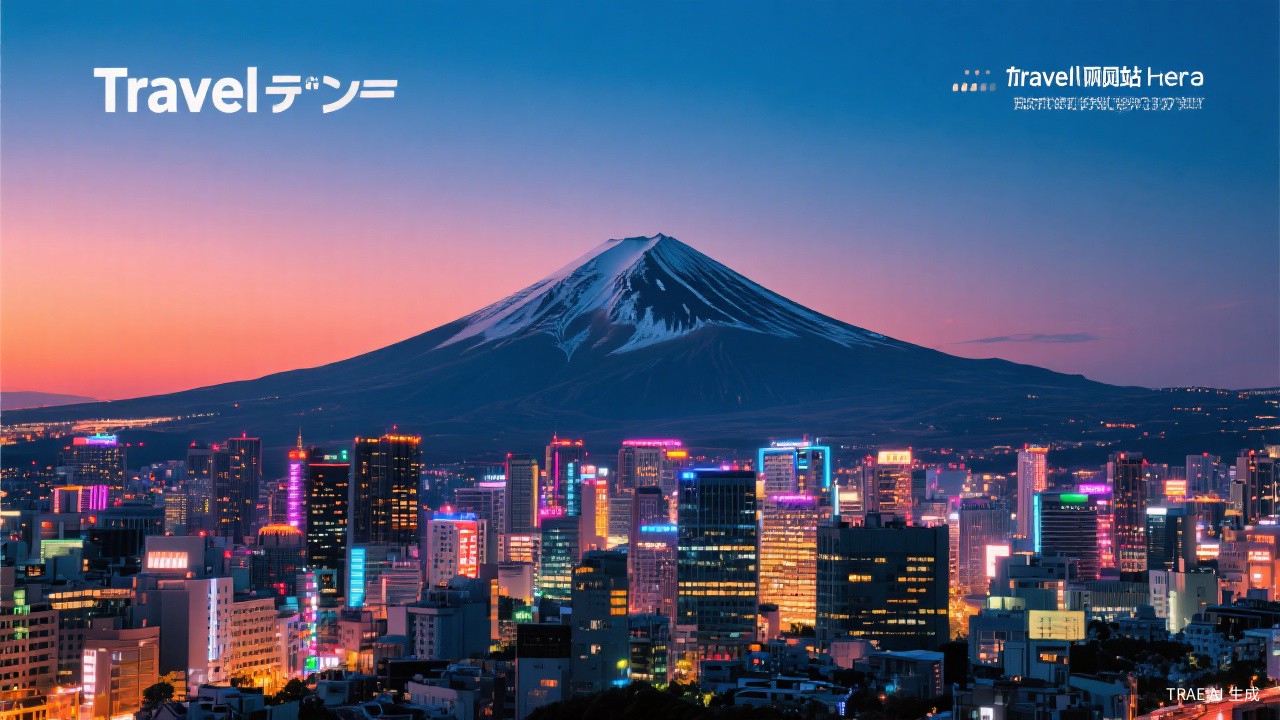
AsiaThe Ultimate Tokyo Travel Guide: From First-Timer to Expert
Tokyo is a dazzling metropolis where centuries-old traditions coexist with cutting-edge technology. This comprehensive guide covers everything you need to plan an unforgettable trip to Japan's dynamic capital.
 Asia
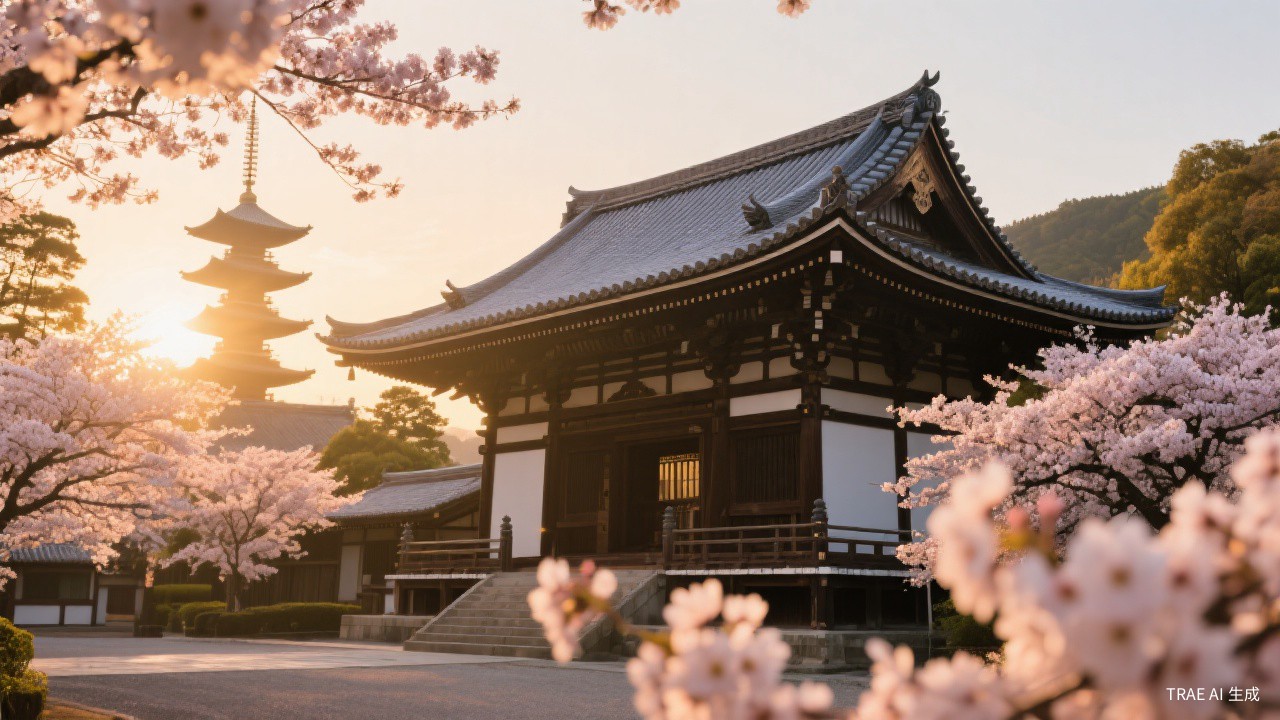
AsiaKyoto Travel Guide: Exploring Japan's Ancient Capital
Kyoto is the cultural heart of Japan, home to over 2,000 temples and shrines, exquisite gardens, and living traditions that have been preserved for over a millennium. This guide reveals the best ways to experience this extraordinary city.
 Asia
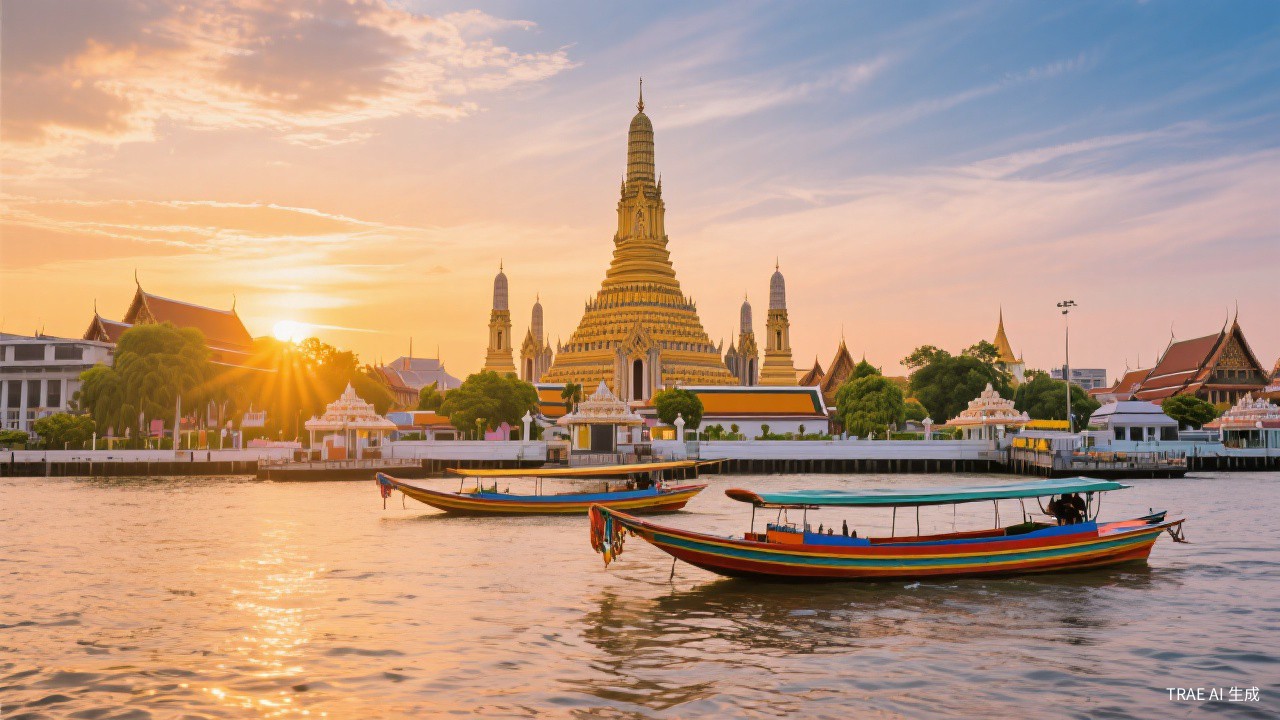
AsiaBangkok In-Depth: Temples, Street Food, and Night Market Culture
Bangkok is a city of contrasts where ornate temples stand beside gleaming skyscrapers and ancient traditions thrive alongside modern urban life. This guide explores the best of Thailand's vibrant capital.